
United States Expands Visa Bond Program Affecting Select Caribbean and Global Nationals
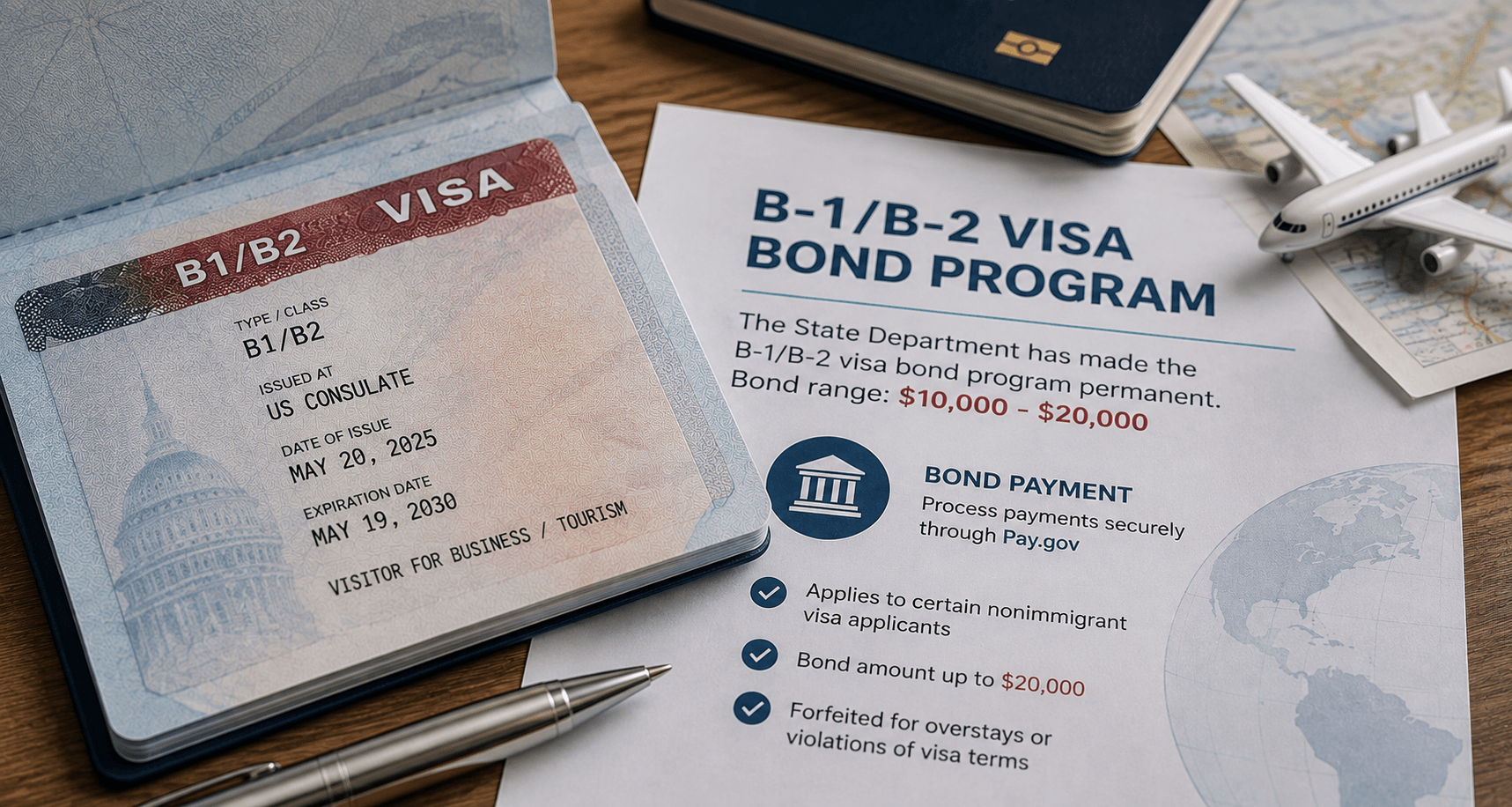
The international travel sector is navigating a significant regulatory adjustment as the United States officially implements a permanent Visa Bond Program requiring refundable financial guarantees of up to 20,000 dollars for certain business and tourist visa applicants from targeted countries.
Following a 12-month pilot initiative, the finalized immigration framework mandates that consular officers can require bonds ranging from 10,000 dollars to 20,000 dollars for nationals from specific nations, including Caribbean destinations such as Antigua and Barbuda, Cuba, Dominica, and Grenada, alongside dozens of countries across Africa and Asia.
U.S. government officials defended the permanent policy by pointing to data from the pilot phase, reporting an 83% drop in visa issuances and a dramatic reduction in visa overstay rates among covered populations. However, tourism industry leaders and travel associations have expressed caution regarding the potential broader economic repercussions. Travel advocates note that while the affected nations currently represent a minimal percentage of overall inbound visitation, any future expansion of bond requirements to wider source markets could introduce friction into global mobility.
Tour operators and regional travel agencies specializing in multi-destination Caribbean itineraries are closely monitoring consular processing updates to advise clients accurately. Comprehensive travel insurance and legal consultation services are experiencing rising demand as prospective visitors navigate the updated administrative requirements. Transparent communication from diplomatic channels remains essential for minimizing confusion among international travelers.
Destination management organizations across the Caribbean emphasize the importance of maintaining robust, diversified source markets while adapting to shifting geopolitical trade and travel policies. Regional tourism boards continue to collaborate with international carriers to optimize alternative visitor corridors. Strategic market diversification remains a core defensive strategy for island economies.
Ultimately, the formal codification of the U.S. Visa Bond Program highlights the complex interplay between national security policies and global tourism flows. By balancing strict immigration enforcement with international diplomatic engagement, authorities are reshaping the operational contours of cross-border travel.