Southern Europe Consolidates Dominance in Summer 2026 Tourism Outlook
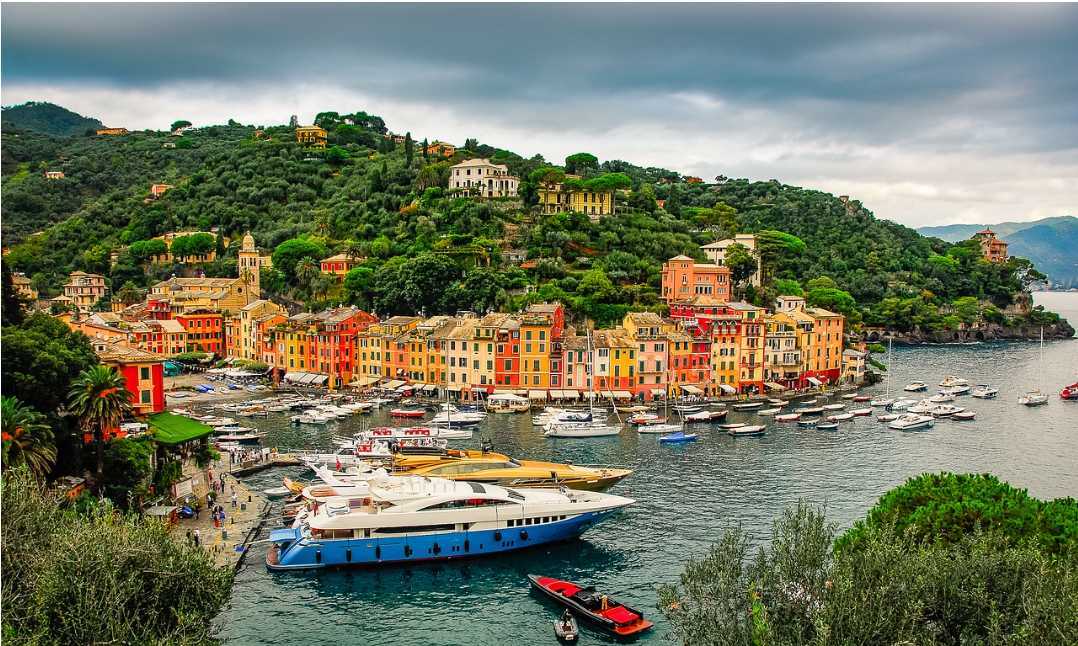
The latest tourism analytics for the summer of 2026 confirm that Southern Europe remains the undisputed powerhouse of global leisure travel, capturing over a quarter of all international travel intentions for the months of June through August.
While geopolitical uncertainty and fluctuating fuel prices have tempered growth in other regions, the Mediterranean basin continues to draw record numbers of visitors. This sustained appeal is attributed to the region’s unique combination of historical infrastructure, reliable climate, and a vast ecosystem of high-quality hospitality providers that continue to meet global demand despite broader economic headwinds.
Data indicates that the influx of visitors to Southern Europe is not just a return to pre-pandemic norms but a reflection of a strategic preference for traditional, reliable tourism hubs. Travelers are signaling a high level of confidence in the region’s ability to host large-scale operations, even as costs for accommodation and transport have trended upward. For destination managers across the Mediterranean, the challenge of 2026 has been successfully balancing this massive volume of international arrivals with the need to maintain a high-quality experience for both locals and guests.
One of the most notable shifts within this regional dominance is the diversification of visitor flows away from the most overcrowded urban centers. While cities like Rome, Athens, and Barcelona remain essential, a significant portion of leisure demand is leaking into secondary coastal regions and inland towns. This dispersal is being encouraged by local tourism boards, which are actively marketing "off-the-beaten-path" experiences to mitigate the strain on primary infrastructure. This trend is creating new opportunities for growth in regions that were previously overlooked by the average international tourist.
The resilience of Southern European tourism is also being bolstered by a robust recovery in the luxury segment, where high-spending travelers continue to prioritize the Mediterranean for its exclusive resort and yachting infrastructure. Despite high inflation in the sector, affluent travelers are showing little hesitation in booking premium experiences, ensuring that revenue growth for the region’s top-tier hospitality assets remains on an upward trajectory. This segment serves as a crucial revenue buffer, allowing the broader industry to maintain investments in high-standard visitor services.
However, the industry is not without its concerns, as rising operational costs and the pressure of overtourism continue to dominate the discourse among policymakers. There is an increasing focus on implementing more sustainable taxation and infrastructure management to ensure that the influx of wealth benefits the local economy without eroding the quality of life for residents. As the summer peak reaches its midpoint, the consensus among industry experts is that the region’s ability to manage these growth pressures will define its competitive standing for the remainder of the decade.
Looking ahead, the Southern European model is increasingly being viewed as a benchmark for how established tourism destinations can adapt to modern challenges. By successfully blending historical allure with advanced digital booking systems and sustainable management practices, the region is proving that it can continue to attract millions of visitors annually. For the 2026 summer season, the Mediterranean remains the vital heart of the global travel economy, anchoring the sector through a period of transition and broader geopolitical instability.