Spain Unveils "Digital Nomad 2.0" Visa to Boost Rural Tourism
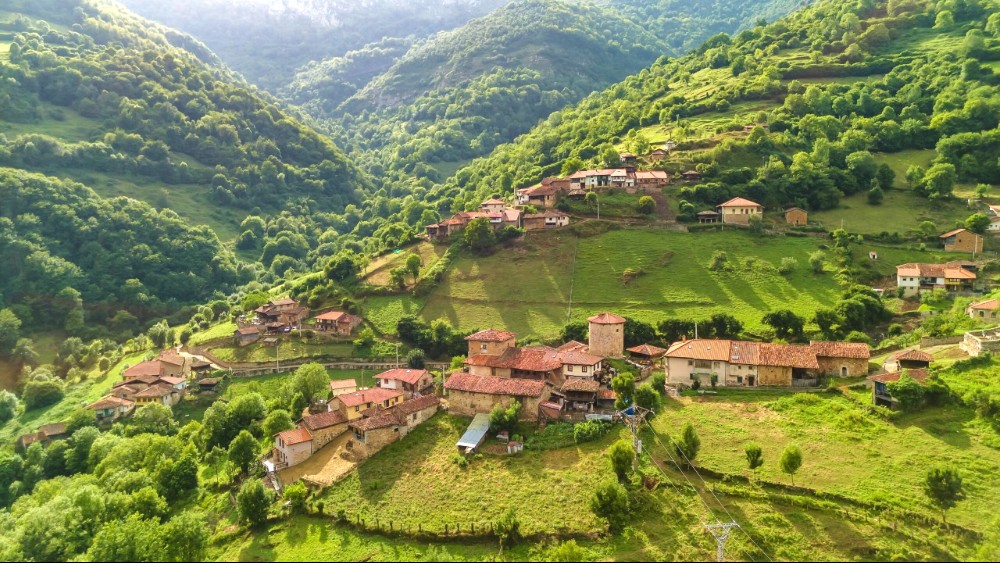
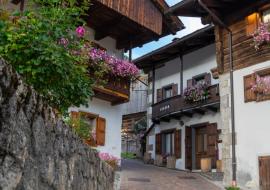
The Spanish Ministry of Tourism officially launched the "Digital Nomad 2.0" visa program that specifically targets remote workers and "tech-focused entrepreneurs" who commit to living in designated "low-density" rural villages for a minimum of 18 months. By offering significant tax incentives and a streamlined application process, Spain aims to turn its "empty interior" into a series of "global innovation hubs," moving the tourism narrative away from the overcrowded coasts of Ibiza and Barcelona.
The program includes a "connectivity grant" to ensure that participating villages are equipped with high-speed satellite internet and modern co-working spaces. This "rural regeneration" effort is part of a broader European trend toward "Slow Tourism," where travelers are encouraged to "live like locals" and contribute to the local economy in a sustainable way. The Spanish government has partnered with local municipalities to provide "welcome packages" that include discounted housing and access to cultural immersion classes, ensuring that the new residents can integrate seamlessly into the "traditional way of life."
For the 2026 digital explorer, Spain now offers a "meaningful lifestyle choice" that combines the country's rich cultural heritage with the flexibility of the modern workplace. The visa also allows for "unrestricted travel" within the Schengen Area, making it an attractive "base of operations" for those looking to explore the rest of Europe while maintaining a "low-cost, high-quality" lifestyle in the Spanish countryside. This "brain gain" is expected to spark a "technological renaissance" in regions that have historically suffered from youth emigration and economic stagnation.
To qualify, applicants must prove a minimum monthly income from sources outside of Spain and hold "comprehensive health insurance" that does not burden the national system. The "Digital Nomad 2.0" also introduces a "mentorship requirement," where residents are encouraged to share their professional skills with local schools or small businesses once a month. This "knowledge exchange" is intended to create a "virtuous cycle" of growth, where the presence of international talent inspires the next generation of rural Spanish entrepreneurs.
The government expects the program to attract over 50,000 new residents by the end of the year, providing a vital economic lifeline to hundreds of historic municipalities. "We are not just selling a visa; we are offering a new way of living," said the Minister of Tourism during the launch event in Segovia. By focusing on "sustainability and social impact," Spain is positioning itself as the "premier destination" for the world's remote workforce, proving that "innovation can happen anywhere" from a mountain village to a bustling metropolis.
As the first applications are processed this week, the "Digital Nomad 2.0" is already being hailed as a "global benchmark" for how countries can leverage tourism as a tool for demographic recovery. The program's success will be measured not just by "visitor numbers," but by the "long-term viability" of the communities it seeks to save. For the 2026 nomad, the "Spanish dream" is no longer just a vacation—it is a "vibrant reality" that offers the perfect balance of work, play, and purpose.