Airbus Breakthrough Propels Ultra-Long-Haul Aviation into New Era
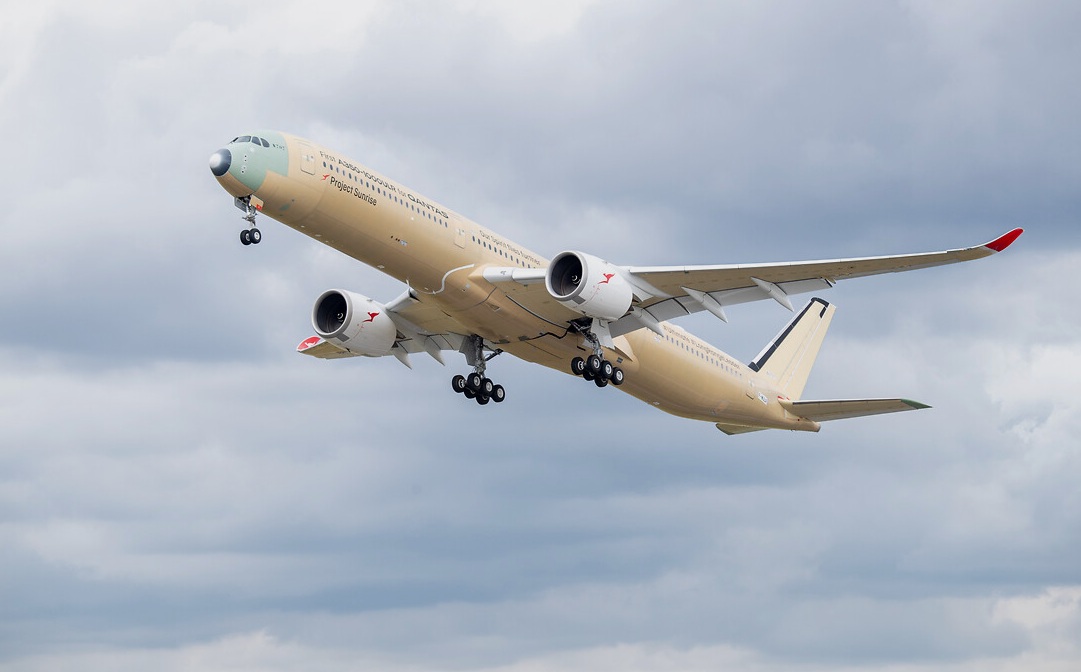
The next frontier of ultra-long-haul commercial aviation moved significantly closer to reality following a historic milestone in European skies. A specialized test aircraft completed its inaugural flight from a major facility in France, marking the official launch of a crucial certification campaign. The successful operation signals a dramatic shift in how global travelers will cross hemispheres without intermediate stops.
The newly developed Airbus A350-1000ULR successfully executed a complex flight path that lasted nearly four hours and reached an altitude exceeding forty-one thousand feet. During the airborne evaluation, a dedicated crew performed comprehensive system checks and verified the structural integrity of the airframe under intense pressure. This specific variant is engineered to overcome the final geographical barriers preventing seamless point-to-point connections across continents.
Australian flag carrier Qantas Airways commissioned the production of these advanced widebody jets to anchor its highly anticipated Project Sunrise initiative. The strategic program aims to establish regular, non-stop commercial flights connecting major hubs like Sydney and Melbourne directly to London and New York. Passengers on these routes will experience continuous flight times approaching twenty-two hours, eliminating the traditional need for layovers in Asian or Middle Eastern hubs.
Achieving this unprecedented performance required substantial innovations in aerospace manufacturing and fuel capacity. Engineers successfully integrated an additional rear center tank into the lower fuselage structure to maximize fuel volume without compromising cabin space. This engineering modification increases the total range of the aircraft by approximately one thousand nautical miles, providing the necessary safety margins for grueling transoceanic crossings.
Beyond extended range capabilities, the testing program focuses heavily on maximizing passenger comfort and cabin environmental controls during prolonged periods in the air. Technicians are currently evaluating a lighter, more advanced galley cooling architecture alongside enhanced ventilation systems designed to mitigate flight fatigue. The objective is to create a more hospitable interior climate that regulates temperature and air quality over nearly a full day of travel.
Industry analysis indicates that the expansion of ultra-long-range models represents a broader trend toward high-capacity, point-to-point networks over traditional hub-and-spoke models. As manufacturing pipelines accelerate, the introduction of these optimized platforms is projected to drive substantial fuel efficiency gains and reduce carbon emissions per passenger. This operational evolution underscores a major transformation in global network planning and competitive airline strategies.