Canadian Airlines Slash U.S. Flights Amid Shift in "Snowbird" Sentiment
A startling report from aviation data firm OAG released today reveals that Canadian airlines have reduced their flight capacity to the United States by nearly 10% for the first quarter of 2026. This equates to roughly 5,000 fewer seats per day compared to the same period last year.
The most dramatic cuts have come from low-cost carriers like Flair Airlines, which has slashed its U.S.-bound routes by 58%, signaling a major retreat from the transborder market that has long been a staple of North American aviation.
Industry analysts suggest this decline is a direct result of shifting sentiment among Canada's "snowbird" demographic. Rising costs, the strength of the U.S. dollar, and new border requirements have led many Canadians to look elsewhere for their winter escapes. Instead of traditional hubs like Florida and Arizona, travelers are increasingly opting for "sun alternatives" in Mexico and the Caribbean, or choosing to explore the growing "staycation" opportunities within Canada’s own provinces.
The reduction in capacity is expected to have a significant economic impact on U.S. leisure destinations like Las Vegas and Orlando, which rely heavily on Canadian visitors during the winter months. Conversely, Canada’s domestic flight capacity has grown by 3%, as residents prioritize more affordable travel within their own borders.
This trend, dubbed the "Border Blues," highlights a growing reluctance to navigate the increasing digital bureaucracy and high expenses associated with crossing the U.S.-Canada border in early 2026.
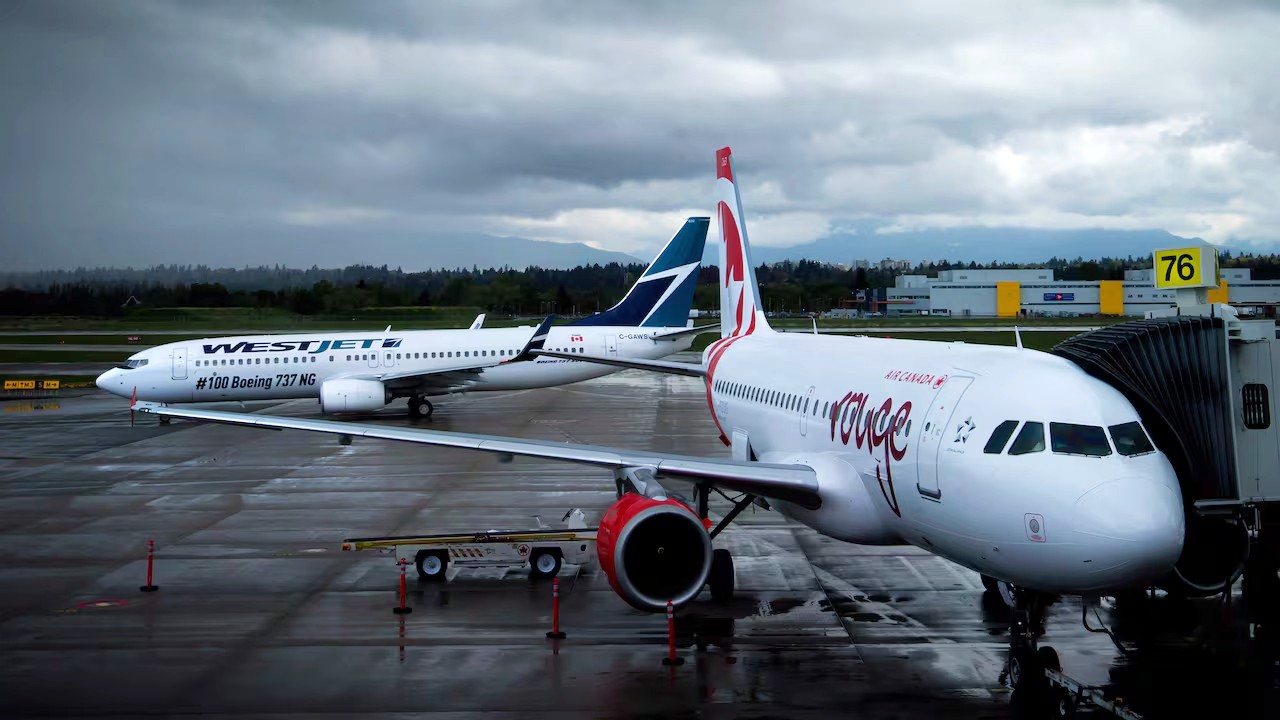
While major carriers like Air Canada and WestJet are maintaining their primary business routes, the overall reduction in leisure capacity suggests that the 2026 travel landscape is being redefined by "attainable luxury" and regional convenience.
As airlines reposition their fleets to more profitable international markets in Europe and Asia, Canadian travelers are being forced to adapt to fewer choices and potentially higher fares for transborder flights. This shift marks the end of an era of effortless, low-cost "hop-overs" for many North American families.