Spirit Airlines Faces "Last-Ditch" Funding Plea Amid Bankruptcy Woes
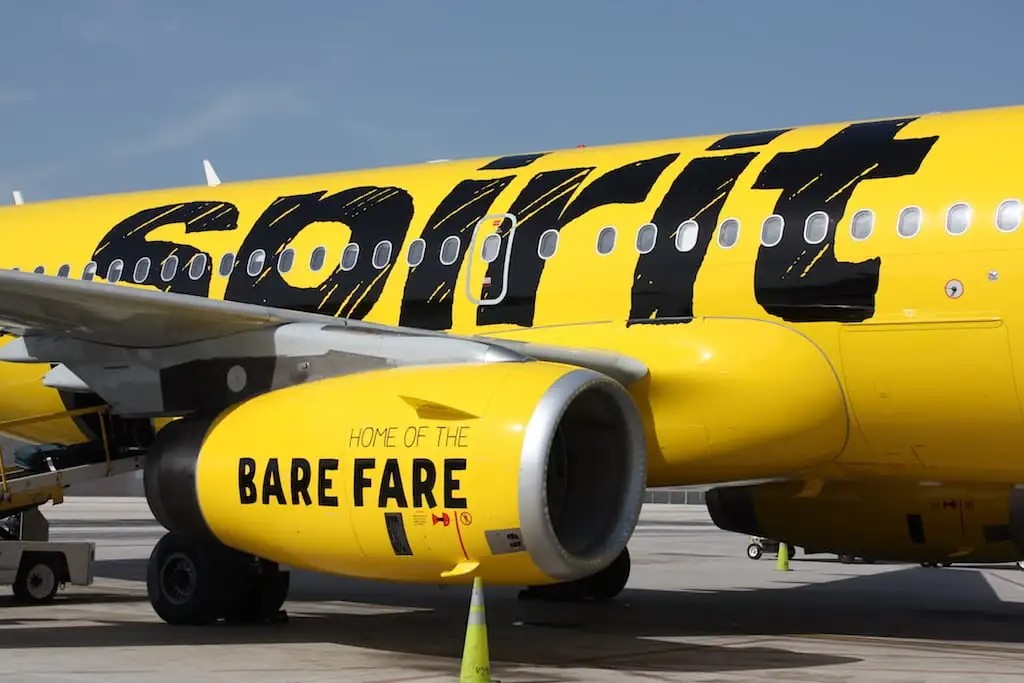
The future of Spirit Airlines remains in jeopardy today, January 16, as a veteran pilot and industry experts warn that the carrier is following a "dangerous path" toward potential liquidation.
This follows a high-stakes letter from the Air Line Pilots Association (ALPA) imploring bondholders, specifically the Miami-based firm Citadel, to continue funding the airline’s exit from Chapter 11 bankruptcy. The letter is being characterized as a "Hail Mary" effort to save thousands of jobs and prevent a massive void in the South Florida economy.
The airline’s restructuring plan has reportedly relied on optimistic assumptions regarding fuel costs and the revenue environment—assumptions that many analysts now view as "more fairy tale than reality."
A significant portion of Spirit's fleet continues to operate at a loss, and without a fresh influx of capital from its principal bondholders, the airline may be forced to shutter operations entirely by the end of the first quarter of 2026. This would mark one of the most significant aviation failures in the U.S. since the consolidation era began.
For the American traveler, the potential loss of Spirit Airlines signals a broader contraction of the Ultra-Low-Cost Carrier (ULCC) market. Legacy airlines have increasingly benefited as budget capacity is removed from the domestic system, leading to higher average fares on popular routes. If Spirit fails, many mid-sized airports that relied on its low-cost service to drive competition will likely see a sharp decrease in flight options and an increase in travel costs for budget-conscious families.
As of today, travelers with existing Spirit bookings are being advised to monitor the situation closely, though the airline continues to operate its current schedule. The decision now rests with the bondholders, who must choose between further investment in a restructuring plan or withholding funds and triggering a liquidation.
The outcome of this financial standoff will be a defining moment for the U.S. aviation industry in 2026, determining whether the market can still support a dedicated "no-frills" national carrier.