JetBlue Commits to Unprecedented Premium Expansion at Fort Lauderdale Hub
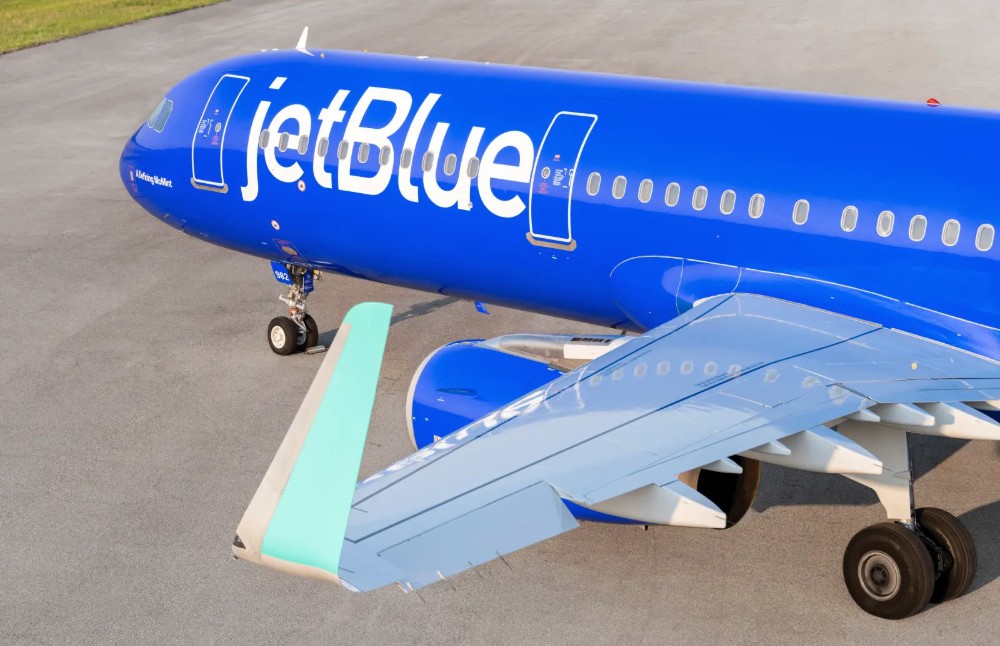
South Florida travelers are poised to gain access to a record-breaking volume of luxury airline seating following a massive network expansion strategy unveiled this morning by JetBlue Airways. The New York-based carrier announced it will deploy its highly acclaimed Mint business class product out of Fort Lauderdale-Hollywood International Airport at a scale never before seen in the facility’s history.
The centerpiece of the aggressive winter scheduling mobilization is the official introduction of daily premium transcontinental service connecting the Broward County gateway directly with San Diego International Airport. This highly anticipated route deployment, set to formally initiate commercial flights on November 19, positions JetBlue as the sole operator offering a dedicated lie-flat business class cabin between the two coastal markets.
Beyond the landmark California expansion, the carrier is simultaneously boosting its premium flight frequencies to existing West Coast strongholds, including Los Angeles International Airport and San Francisco International Airport. The synchronized capacity injection is part of an overarching multi-year blueprint that has already elevated the airline’s daily departures out of Fort Lauderdale by more than 75 percent over the course of the current calendar year.
The elite Mint configuration features private, fully enclosed suites, customizable ambient lighting matrices, and an curated culinary menu developed in exclusive partnership with prominent New York City restaurant groups. Network planners project that the expansion will solidify the airline's operational baseline in South Florida, pushing total daily departures toward an unprecedented 150 daily operations during peak seasonal transit corridors.
Aviation market analysts view the premium cabin offensive as a direct challenge to legacy legacy network carriers competing for lucrative, high-yield corporate and leisure commuters across the domestic coast-to-coast market. By anchoring its regional strategy around high-margin premium offerings, the low-cost disrupter seeks to permanently capture dominant South Florida passenger loyalty.
The massive hardware reallocation underscores a broader corporate philosophy that prioritizes capital investments at high-performing focus cities where customer demand outpaces existing infrastructure constraints. As long-haul travel demographics trend heavily toward experiential comfort, the expanded premium schedule insulates the company's regional balance sheet from escalating localized operational overhead costs.