Caribbean Tourism Chief Warns Against Over-Taxing Cruise Passengers
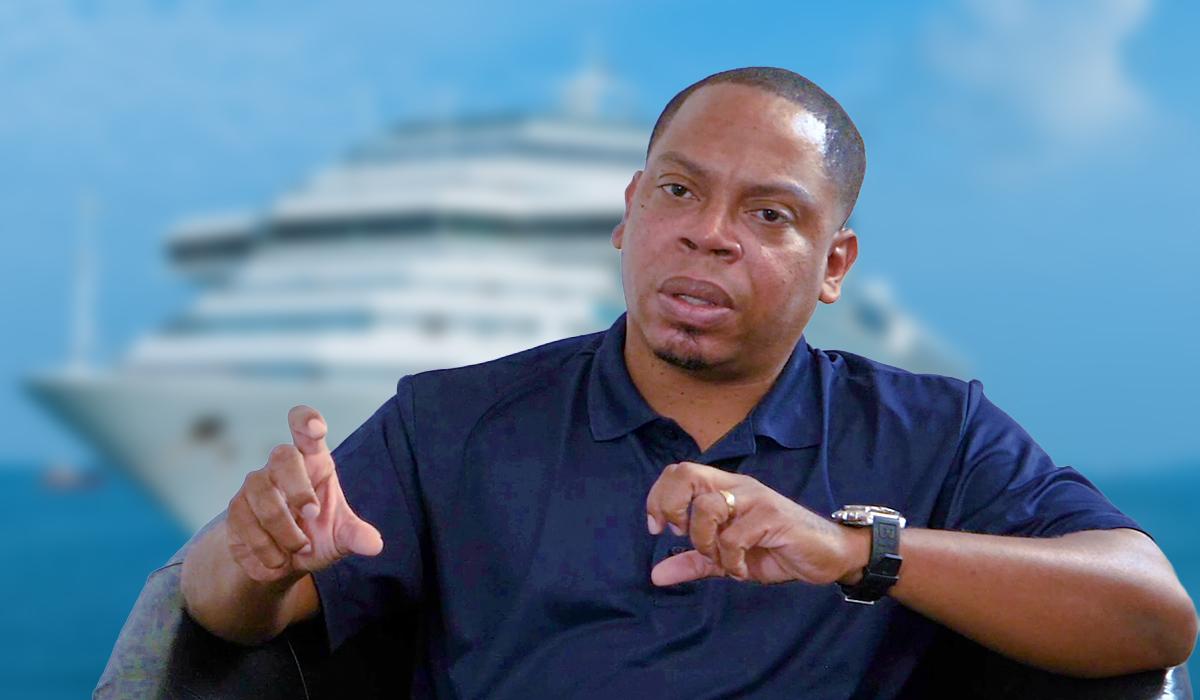
Port St. Maarten Group CEO Alexander Gumbs is urging regional tourism authorities to rethink their financial strategy, arguing that an over-reliance on head taxes could stifle long-term economic growth. During a sit-down for the FCCA Leadership Series, Gumbs cautioned that many destinations are operating with "blinders on," focusing on immediate tax revenue rather than maximizing the on-island spending that occurs when visitors are provided with world-class experiences.
Gumbs presented a compelling data-driven case for the value of the cruise segment, noting that while passengers may only stay for an average of five hours, their per-hour spend is often higher than that of stayover guests. In St. Maarten, for example, visitors average $163 per person during their short time ashore. By failing to invest in differentiated attractions and infrastructure, Gumbs argues that destinations are effectively "leaving dollars on the table."
The CEO’s perspective is rooted in a career defined by resilience and innovation. Reflecting on his "origin story," Gumbs recalled how a childhood fascination with the economic impact of smiling tourists in St. Maarten led him to pursue a career in port management. He later found himself at the helm of the port's commercial efforts during the aftermath of Hurricane Irma in 2017, a chaotic period he credits with proving the destination's ability to adapt and return to business under strategic leadership.
Looking toward the next three to five years, Gumbs anticipates a major shift toward experience-driven tourism. He emphasized that the Caribbean should no longer be marketed solely as a winter escape but as a year-round destination with a unique "cultural mystique." To remain competitive on a global scale, he believes islands must move away from a "one-size-fits-all" approach and instead focus on segmenting their identities to highlight their specific local flavors.
The discussion also touched upon the symbiotic relationship between the cruise industry and local hotel sectors. Gumbs highlighted that a positive cruise experience often acts as a powerful marketing tool, with a high percentage of passengers expressing a desire to return for extended stayover visits. This holistic approach to tourism development, he suggests, creates a "bright future" for the region if policy-makers prioritize value over simple fee increases.
For the next generation of tourism professionals, Gumbs’ advice centered on personal branding and active participation. He encouraged young people to "show up and be present" in their communities, while remaining highly cognizant of their digital reputation on social media. By viewing themselves as brands from an early stage, he believes future leaders can better navigate the evolving landscape of the international travel industry.
As Caribbean nations continue to debate passenger fees to fund public services, Gumbs’ message serves as a reminder that sustainable development relies on a balanced ecosystem. By focusing on quality and infrastructure, ports can ensure that the foreign dollars flowing into their countries continue to grow, benefiting local businesses and the regional economy for decades to come.