Hawaii Secures Legal Victory to Implement Landmark Environmental Fee on Cruise Travelers
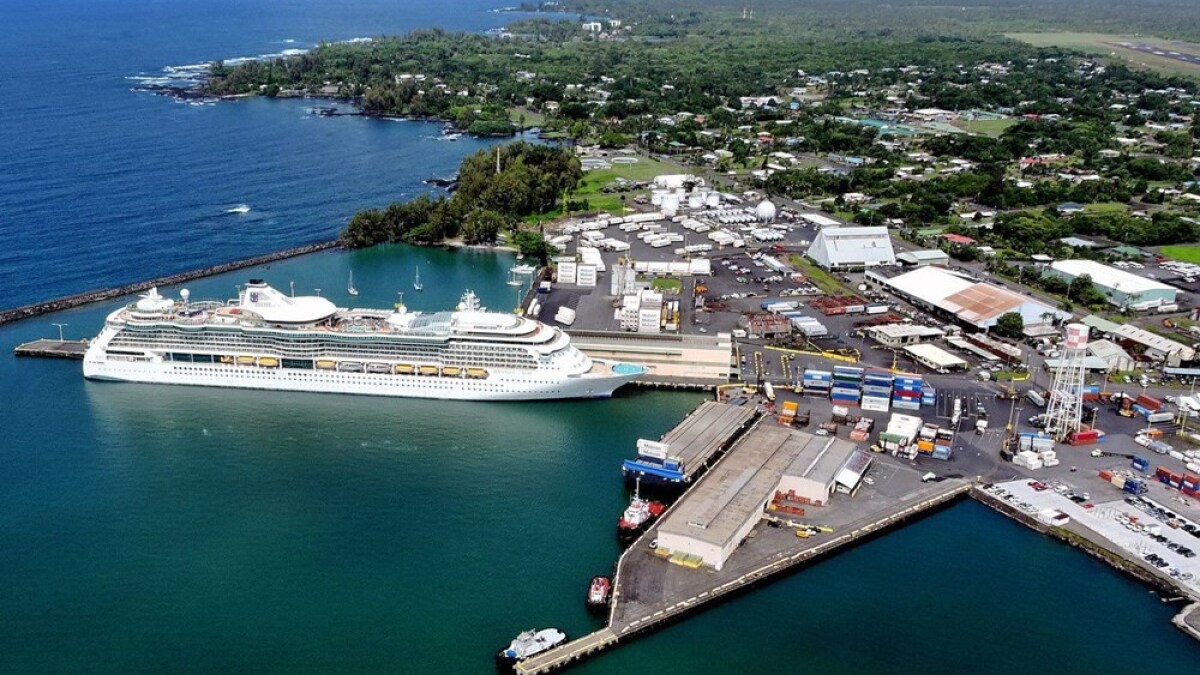
In a landmark move for environmental policy, the state of Hawai‘i is set to implement a pioneering tourist tax targeting the maritime travel sector. Starting January 1, 2026, the islands will begin collecting revenue from cruise ship passengers to bankroll a variety of aggressive climate initiatives. This development follows a significant legal victory for the state, as a federal judge recently declined to halt the law's implementation.
The legislative foundation for this shift is Act 96, which was signed into law by Governor Josh Green earlier this year. This mandate expands the existing Transient Accommodations Tax (TAT), effectively closing a loophole that previously allowed sea-based travelers to avoid the environmental fees paid by hotel guests. Under the new rules, a 11% levy will be applied to the gross cruise fares of passengers, with the specific amount calculated based on the duration a vessel remains within state waters.
Financial analysts within the state government project that this expanded tax framework could generate approximately $100 million annually. These funds are strictly earmarked for environmental protection and infrastructure resilience. Specifically, the revenue is intended to combat the state's most pressing ecological threats, including wildfire risk reduction, the restoration of eroding shorelines, and general beach restoration projects across the archipelago.
However, the path to implementation has been met with fierce resistance from the Cruise Lines International Association (CLIA). Industry representatives filed a lawsuit arguing that the measure is unconstitutional, claiming it penalizes vessels for the mere privilege of entering a port. Opponents of the tax warn that the increased cruise costs could negatively impact booking patterns, potentially driving tourists toward more affordable destinations and harming the local economy.
Despite these concerns, U.S. District Judge Jill A. Otake ruled against motions to block the law, clearing the way for what many are calling a "green fee" for the cruise industry. While the plaintiffs have expressed their intent to file an appeal, the state is moving forward with its preparations. This judicial green light ensures that the 2026 cruise season will operate under a new fiscal reality for both operators and travelers.
The financial impact on travelers could grow even larger depending on local government decisions. The law permits individual counties—including Honolulu, Maui, Kauai, and Hawai‘i Island—to levy an additional 3% surcharge on top of the state-level tax. This local flexibility means that the total tax burden for a single voyage could fluctuate depending on which islands are included in the ship's itinerary.
State officials maintain that the policy is an essential evolution of Hawaii's tourism economy, ensuring that every visitor contributes to the maintenance of the natural beauty they come to enjoy. As the deadline approaches, the global travel industry is closely monitoring how this groundbreaking policy will influence the future of maritime travel and whether other coastal regions will adopt similar environmental funding models.