Royal Caribbean Offers "Flexible" Incentives to Manage Overbooking
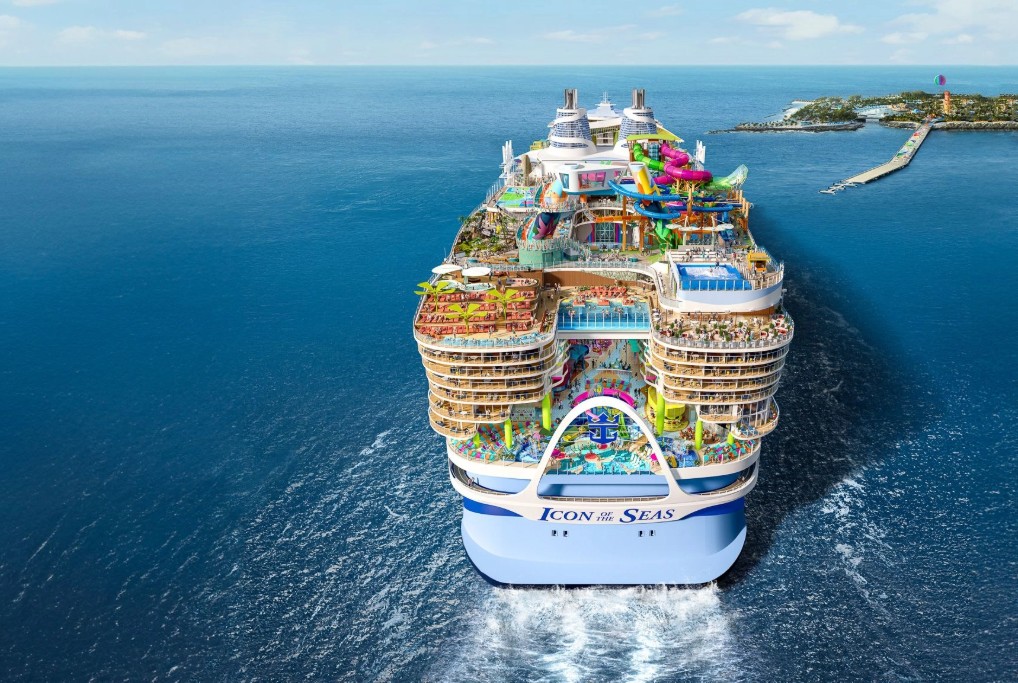
In a sign of the unprecedented demand for Caribbean cruising in early 2026, Royal Caribbean International sent out an unusual alert , offering "sweet" incentives for guests to cancel their upcoming sailings.
Targeted specifically at the Oasis of the Seas departure scheduled for February 7 from Fort Lauderdale, the line is looking for passengers with "flexible travel arrangements" who are willing to give up their cabins. This move highlights a growing 2026 trend where cruise lines are struggling to manage record-high load factors during the peak winter season.
The incentive package is remarkably generous, offering a 100% refund of the cruise fare, plus a 50% future cruise credit (FCC) for a subsequent sailing. Furthermore, Royal Caribbean has pledged to reimburse guests for any non-refundable, pre-purchased travel expenses, such as flights or hotel stays. This "proactive cancellation" strategy is an effort to avoid the negative publicity of "bumping" guests at the pier, which became a major industry headache during the 2025 summer season.
Industry analysts suggest that this overbooking is a direct result of the "Caribbean Capacity Surge" of 2026, where even massive 5,000-passenger ships are consistently selling out months in advance. The Oasis of the Seas itinerary, which includes stops in Aruba, Curaçao, and Perfect Day at CocoCay, is one of the most popular in the fleet. By offering these incentives today, Royal Caribbean is betting that a small percentage of travelers will find the "half-off future trip" offer too tempting to refuse, allowing the line to balance its inventory without forced removals.
For the 2026 traveler, these "bid-to-cancel" emails are becoming a new part of the pre-cruise experience. Experts suggest that travelers who are not "set in stone" on their dates should keep a close eye on their inboxes, as these offers can represent a significant "travel hack" for doubling the value of their vacation budget. However, for families who have spent months planning their winter escape, the sudden request to cancel can feel like a disruption to their peace of mind in an already chaotic travel environment.
Royal Caribbean’s move also points to a broader industry shift toward "Inventory Yield Management." By overbooking slightly—similar to the airline model—and then "buying back" seats with credits, cruise lines can ensure that every cabin is filled to its maximum revenue potential. While this maximizes the line's profit, it requires a delicate balancing act to ensure that the guest experience remains positive. As of this morning, the response to the Oasis offer has been strong, with many "flexible" travelers opting for the refund-plus-credit deal.
As the 2026 "Wave Season" continues, travelers should expect more of these "flexible arrangement" requests from major lines. The lesson for the 2026 explorer is simple: if you want a guaranteed spot, book early and ignore the emails—but if you want a free future cruise, be ready to pivot at a moment's notice. Royal Caribbean’s strategy today is a clear indication that "Paradise" is currently at full capacity.