Maritime Milestone Achieved as First Eco-Friendly Cruise Fueling Expands to Western Caribbean
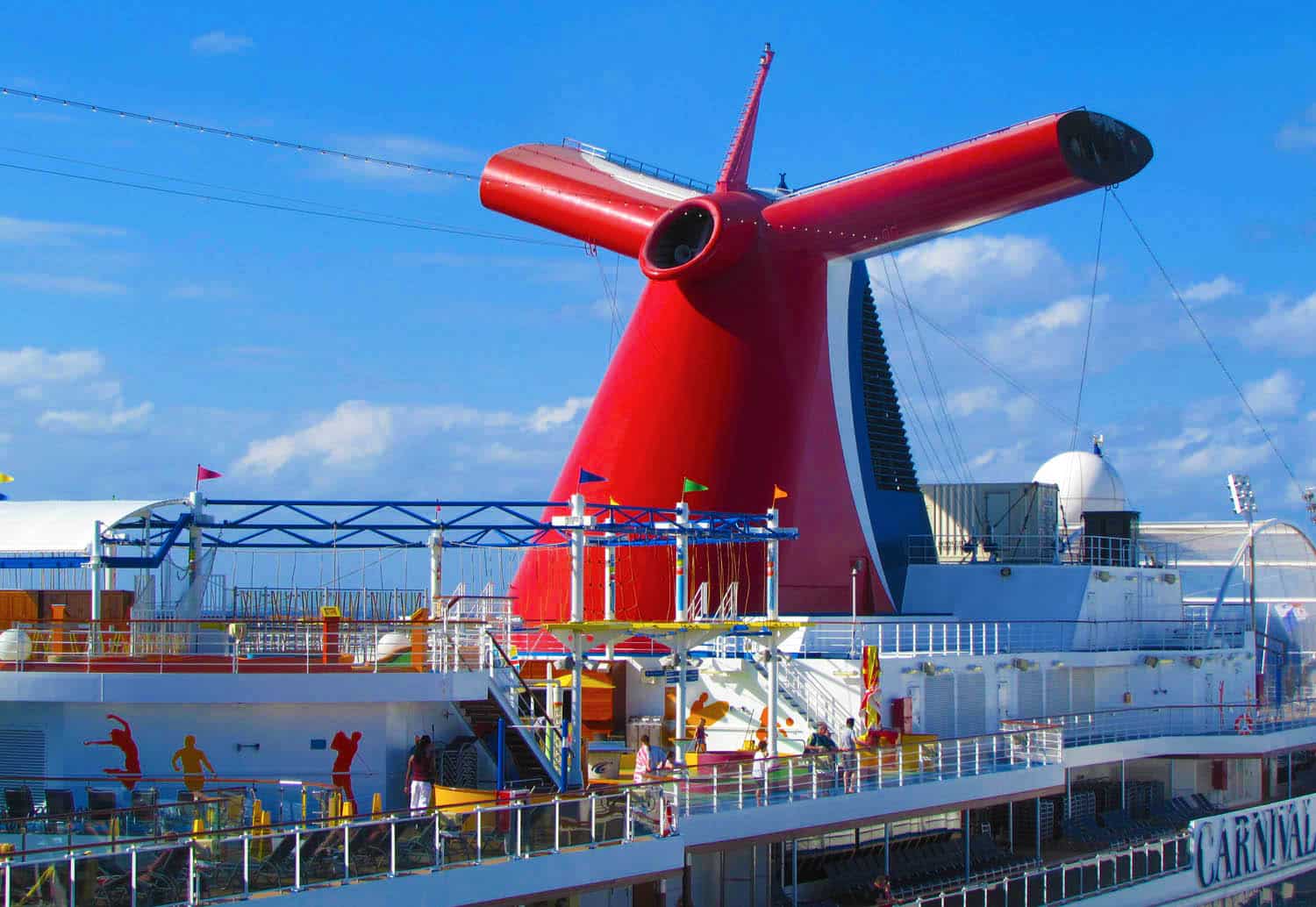
A historic shift in maritime energy infrastructure occurred in Central America, marking a significant advancement for environmental sustainability in the cruise sector. The implementation of specialized refueling capabilities at a major regional port establishes a new baseline for cleaner vessel operations across popular vacation itineraries. This operational breakthrough represents the first time advanced lower-emission marine fuel has been successfully delivered in the territory.
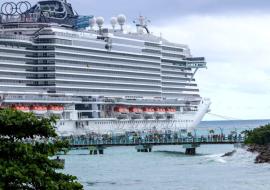
Global cruise giant Carnival Corporation successfully coordinated with public and private sector partners to introduce Liquefied Natural Gas bunkering to the region. The complex operation utilized a mobile fueling solution to service a modern mega-ship at an exclusive island destination in Honduras. The achievement successfully demonstrates the viability of executing highly technical marine fueling procedures at traditional transit ports rather than specialized industrial hubs.
The successful fueling of the cruise vessel positions the port of Roatan as a strategic maritime energy node within the Western Caribbean tourism framework. By enabling advanced vessels to refuel mid-itinerary, cruise operators can optimize their routing schedules and reduce the overall fuel required for lengthy transit legs. This localized capability minimizes route disruptions while enhancing the operational flexibility of modern, eco-friendly fleets.
The introduction of localized bunkering supports the corporation's comprehensive decarbonization strategy, which targets net-zero greenhouse gas emissions from global fleet operations by mid-century. Marine gas technology currently stands as one of the most scalable, commercially viable methods for reducing direct carbon emissions in heavy shipping. The transition away from traditional heavy fuel oil dramatically minimizes the release of sulfur oxides and particulate matter into fragile marine ecosystems.
Environmental advocates noted that the specialized destination hosting the fueling initiative has consistently maintained rigorous standards for ecological management and water quality. The local beach infrastructure recently retained its top-tier sustainable tourism certification, validating the regional commitment to balancing high-volume tourism with resource preservation. Public officials emphasized that the public-private partnership serves as a model for future economic and energy development across the basin.
As the cruise industry expands its eco-friendly inventory, the development of widespread maritime infrastructure remains the primary bottleneck for green transition plans. Corporate fleet managers expect to introduce numerous additional gas-capable vessels over the next decade, necessitating similar supply chain expansions in secondary global markets. This successful tropical fueling operation provides a proven blueprint for deploying sustainable marine technologies worldwide.