FITUR Sports 2026 Launches with Focus on "Blue Tourism" and Innovation
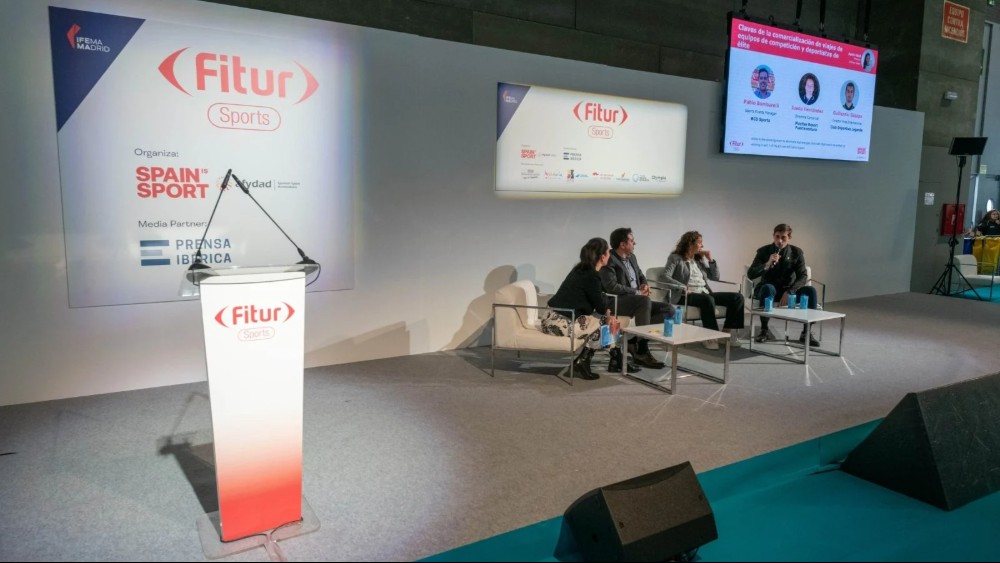
The inaugural morning of FITUR Sports 2026 officially kicked off at 10:40 AM in the newly expanded Hall 12. This fourth edition of the specialized section, organized in collaboration with AFYDAD, has transitioned into a "Knowledge Hall" format to better address the rapid evolution of sports tourism. The first sessions of the day focused on the emergence of blue sports tourism, highlighting how nautical activities can revitalize coastal destinations while maintaining environmental integrity.
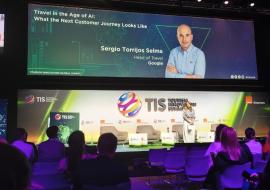
Industry leaders gathered in the new auditorium to discuss the strategic importance of European funds in improving tourism-sports infrastructure. Speakers emphasized that the integration of Artificial Intelligence and data analysis is no longer optional for destination managers looking to optimize the return on investment for large-scale sporting facilities. The morning's debates highlighted a shift toward more professionalized management of sports-related travel.
A significant portion of the opening day was dedicated to outdoor experiences, such as mountain hiking and trail running. Experts from Mexico, Colombia, and Chile shared case studies on how adventure tourism can be a tool for sustainable development in rural areas. These sessions underscored the need for a balanced approach to managing sports activities in protected natural areas to prevent environmental degradation.
The networking area was particularly active, as buyers and suppliers utilized the new matchmaking lounge to forge partnerships. The focus this year has expanded to include "Sports Business Travel," catering to the growing number of professionals who travel specifically for sports-related corporate events. This segment is identified as one of the fastest-growing niches within the global tourism landscape.
As the day progressed, the discussion turned toward the sustainability of golf courses and ski resorts. Panelists presented innovative solutions for water management and energy efficiency, aligning with the fair’s overall green agenda. The session reinforced the idea that high-impact sports facilities must lead by example in the transition toward a circular economy.