




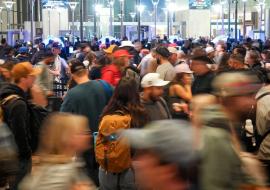
The United States aviation system is facing a "perfect storm" of disruptions today as the Good Friday holiday rush collides with the 48th day of a partial Department of Homeland Security (DHS) shutdown.
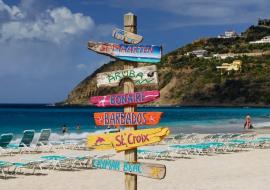
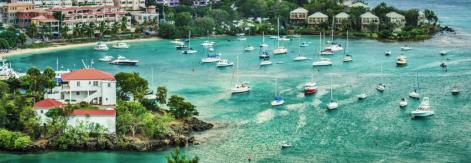
The Caribbean tourism industry has officially surpassed its pre-pandemic benchmarks, recording a 2.5% increase in stay-over international arrivals for 2025.
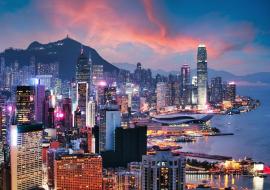
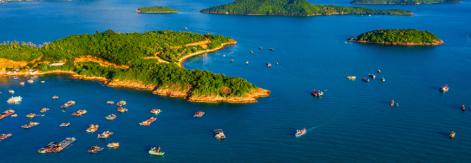
The World Travel & Tourism Council (WTTC) released a report today coinciding with a major funding announcement from the Hong Kong SAR Government.

In a ceremony held at the Skytrax World Airport Awards, Singapore Changi Airport reclaimed its title as the "World’s Best Airport" for an unprecedented 15th year.

A new report from Condé Nast Traveler released today identifies "Silent Travel" as the most significant "luxury shift" of the 2026 spring season.
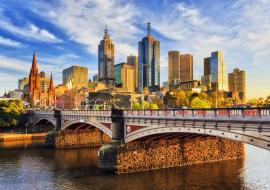
In its annual "global benchmarking" report released today, Time Out has named the Australian metropolis of Melbourne as the "#1 Best City for 2026."