Eurostar Cancels Trains Through March Amid "Operational Restrictions"
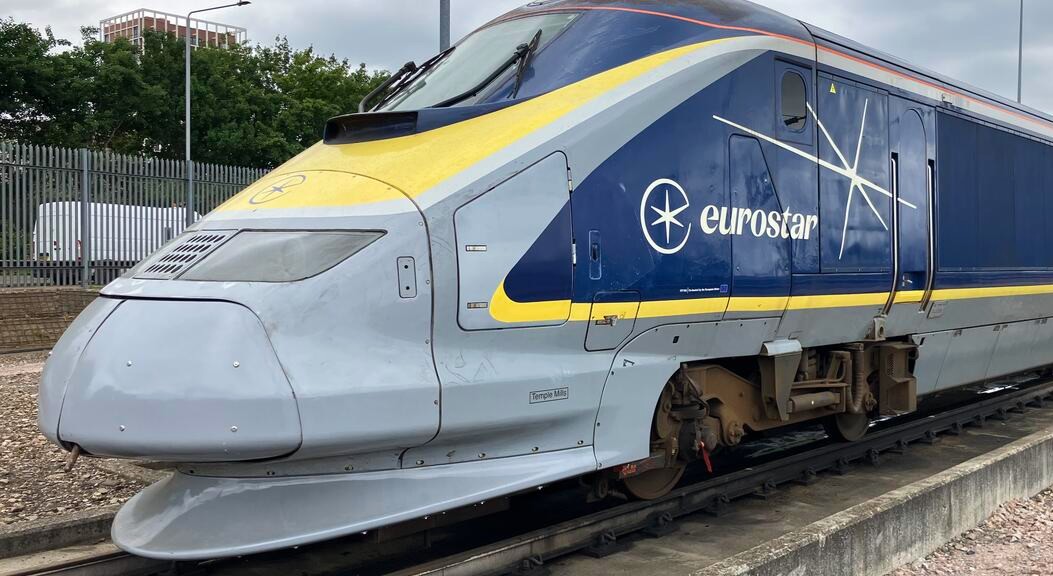
Eurostar, the high-speed rail service connecting the UK to mainland Europe, issued a sweeping "Service Update" announcing the cancellation of dozens of trains between now and late March 2026.
The company cited "unforeseen operational restrictions" and ongoing engineering works on the Dutch rail network as the primary reasons for the disruption. These cancellations are expected to impact thousands of business and leisure travelers during the busy late-winter period, further straining the already crowded London-Paris-Amsterdam corridor.
The disruption is particularly acute on the Amsterdam-London route, where Eurostar has had to limit service due to station upgrades in the Netherlands. For the 2026 traveler, this means fewer direct options and an increased reliance on "multi-modal" journeys that involve bus transfers or secondary rail links. The company has apologized for the inconvenience and is offering full refunds or free exchanges, but for many travelers, the "loss of time" is a cost that cannot be easily reimbursed.
Industry experts see these rail delays as a significant blow to the "Green Travel" movement in Europe. As more travelers look to replace short-haul flights with high-speed rail, the reliability of the Eurostar network is seen as a benchmark for the industry’s success. Today’s cancellations may force some travelers back onto regional airlines, undermining the EU’s goals for carbon reduction and sustainable mobility in the 2026 travel season.
The "operational restrictions" are also rumored to be linked to a shortage of qualified train drivers and technical staff, a challenge that has plagued the European rail sector since late 2025. Eurostar is reportedly in the process of an "aggressive recruitment drive" to restore full capacity by the summer, but the current shortfall is creating a "bottleneck" that is frustrating travelers and travel agents alike. This "staffing gap" is a recurring theme in 2026, as the entire hospitality and transport ecosystem struggles to keep pace with rebounding demand.
For those with upcoming Eurostar bookings, the company is urging travelers to check their live status at least 48 hours before departure. Many passengers today were diverted to ferry services or slower regional trains, turning a two-hour journey into a half-day ordeal. This "travel friction" is exactly what the industry is trying to avoid as it enters a period of intense competition with low-cost carriers who are capitalizing on the rail network’s current instability.
As of February 9, the outlook for European rail remains "cautious." While the long-term future of high-speed travel is bright, the immediate reality for the 2026 traveler is one of "unpredictable delays." Whether you are a business commuter or a weekend tourist, the message is clear: have a "Plan B" ready and be prepared to embrace the "slow travel" movement, whether you intended to or not.