Global Aviation and Tourism Face Unprecedented Paralysis Amid Geopolitical Storms
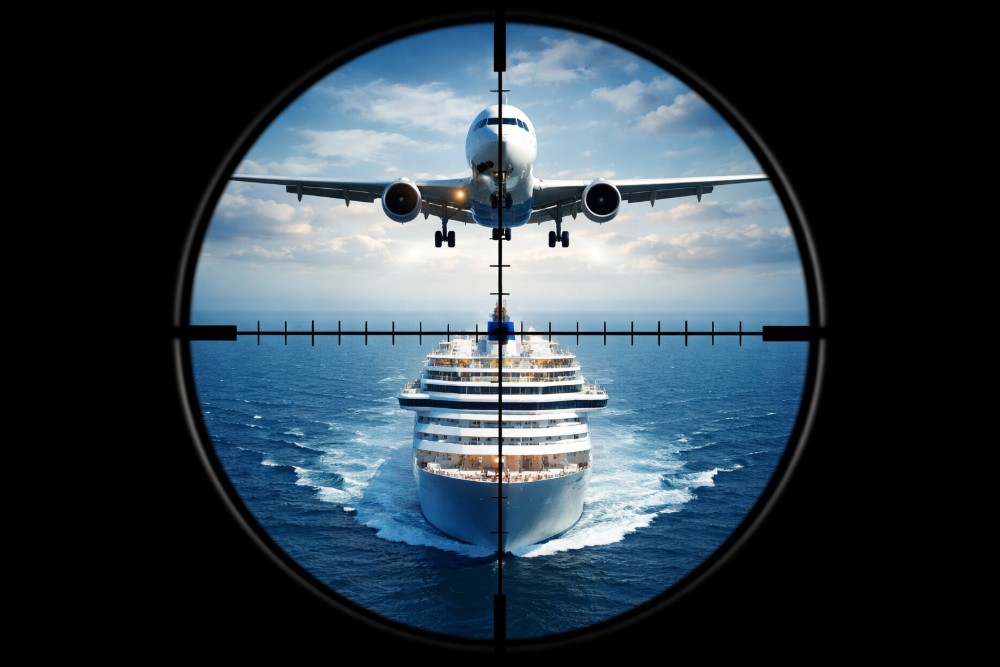
The global aviation industry has entered a state of unprecedented paralysis as escalating conflict in the Middle East transforms some of the world’s busiest transit hubs into ghost towns.
With more than 20,000 flights canceled and millions of travelers stranded worldwide, the crisis has exposed the fragility of the "hub-and-spoke" model. Major gateways in the United Arab Emirates and surrounding regions are operating at a fraction of their capacity, forcing airlines to prioritize passenger safety over operational efficiency in a logistics nightmare that experts call the most chaotic event since the turn of the century.
The maritime sector is facing a simultaneous logistical gridlock, with high-capacity cruise ships trapped in ports due to the sudden closure of critical maritime routes. Cruise lines are now engaged in a massive effort to repatriate thousands of passengers, often resorting to private charters as regional airports remain shuttered or restricted. This operational halt is rippling through the entire supply chain, depriving local economies and small businesses of vital revenue during what should be the peak season, while threatening the long-term reputational stability of major cruise brands.
Financially, the impact on the $11.7 trillion global tourism economy is staggering. The erosion of consumer confidence, particularly among high-spending luxury travelers, is destabilizing profit forecasts for 2026. Airlines and hotels are grappling with soaring operational costs—driven by fuel-heavy flight diversions and increased insurance premiums—which are inevitably being passed on to the consumer. This inflationary trend in travel pricing threatens to contract demand just as the industry hoped to solidify its post-pandemic recovery.
The current instability is part of a broader, systemic pattern of geopolitical unrest affecting major destinations from Latin America to the coastal regions of Mexico. As the U.S. and other powers issue Level 4 travel alerts, the economic fallout is immediate, forcing the hospitality sector into a desperate cycle of aggressive promotions that rarely offset the fear of physical insecurity. This shift is creating a segmented travel market, where investment and traveler preference are flowing exclusively toward destinations perceived as "safe havens," leaving volatile regions in an economic slump.
Looking ahead, the shadow of global instability looms large over upcoming mega-events like the 2026 FIFA World Cup. Hotel groups are already reporting a shift toward last-minute bookings and increased traveler caution, complicating long-term logistical planning. The potential loss of the premium segment, which typically drives the highest revenue during these tournaments, could be devastating for infrastructure investments. The success of these global events now hinges entirely on the ability of governments to coordinate border security and restore a sense of global mobility.
Ultimately, the survival of the travel industry depends on its financial resilience and ability to adapt to a world where safety has superseded efficiency. While the sector has proven its ability to recover from health crises, the multi-causal nature of today’s geopolitical war and social fear presents a different kind of threat. If the industry cannot restore traveler trust and secure international corridors, the patterns of global movement may be permanently altered, favoring isolationism over the hyper-connected world of the past decade.