TSA Reports Record Spring Break Passenger Volume Amid Staffing Strains
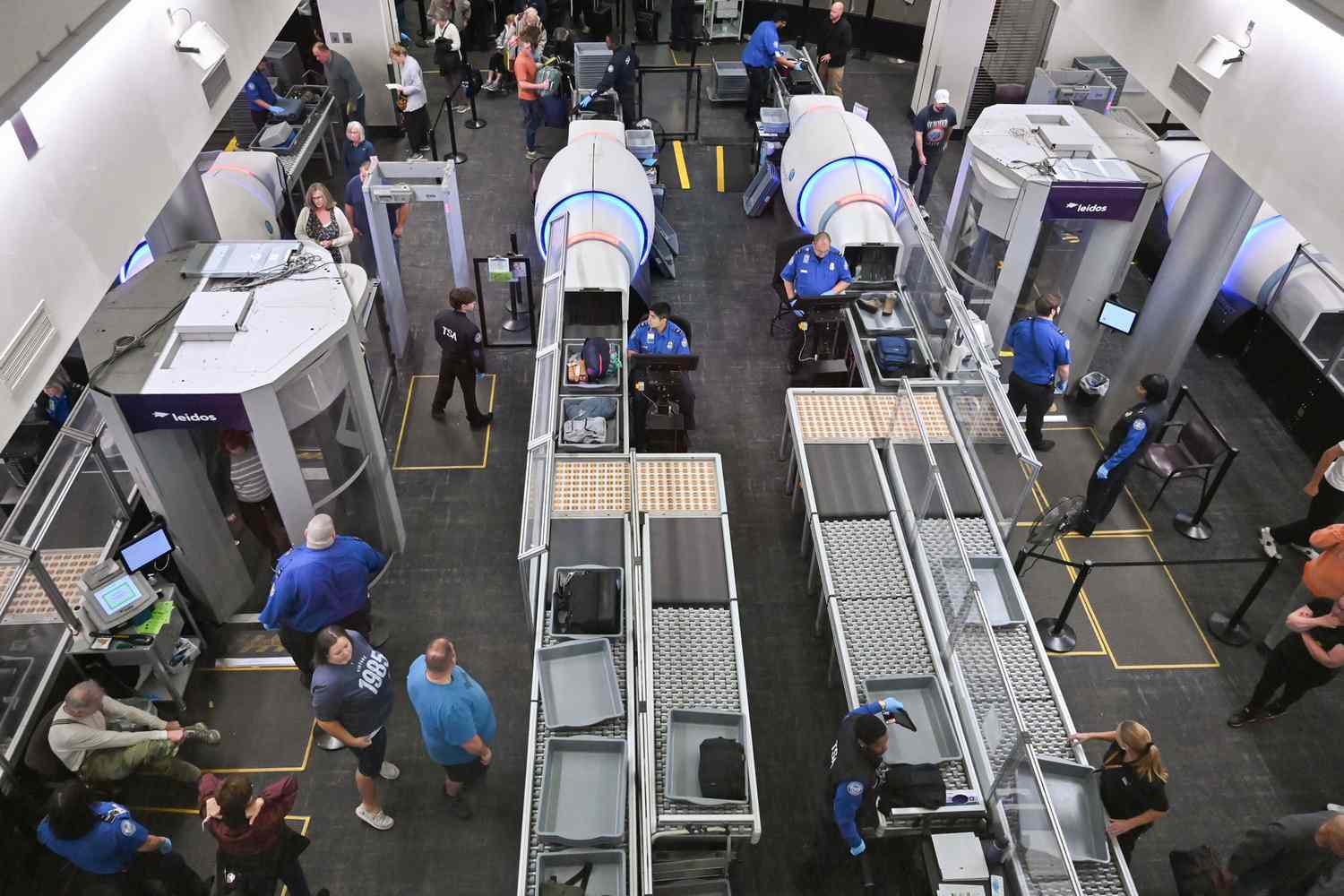
The Transportation Security Administration (TSA) announced today that it has processed a record-breaking 18.4 million passengers over the last seven days, marking the busiest Spring Break period in U.S. aviation history.
This surge in traveler volume represents a 12% increase over 2025 levels, driven by a "robust appetite" for domestic sun-and-sand destinations and a shift toward leisure-first travel patterns. However, the agency noted that while the "demand for discovery" is at an all-time high, the strain on checkpoint infrastructure has led to peak wait times exceeding 90 minutes at major hubs like Orlando, Las Vegas, and Phoenix.
To manage the unprecedented flow, the TSA has deployed "National Deployment Officers" to support local staff at the ten most congested airports. Despite these reinforcements, the agency is urging travelers to arrive at least three hours before departure for domestic flights and four hours for international journeys. The "logistical bottleneck" is being exacerbated by a high volume of inexperienced travelers carrying prohibited items, which slows down the screening process for everyone in line. This "operational thinning" is creating a "high-pressure environment" for officers who are already working extended shifts to cover the seasonal peak.
The agency's "Screening Partnership Program" is also being tested, as private security contractors at airports like San Francisco and Kansas City report similar struggles with "passenger throughput." Industry experts suggest that the 2026 travel boom has outpaced the federal government's ability to recruit and train new personnel fast enough to meet the "post-pandemic surge." Furthermore, the integration of new CT scanning technology at checkpoints, while improving security, has occasionally led to "technical slowdowns" as staff adjust to the more detailed imaging requirements.
For the 2026 voyager, the message is one of "extreme patience and preparation" as the industry grapples with the "growing pains" of a record-setting travel year. Travelers are being encouraged to download the MyTSA app to monitor "real-time wait times" and to ensure their biometric data is updated for expedited lanes. The current situation has highlighted the "fragile dependency" of the aviation sector on federal staffing stability, reminding the public that even the most advanced digital IDs cannot fully replace a human workforce.
Airline executives have also weighed in, expressing concern that the "checkpoint gridlock" is leading to an increase in missed flights and "rebooking chaos" at the gate. Some carriers are now coordinating with the TSA to provide "queue-jumping" priorities for passengers on flights that are close to departure, though this "triage approach" is difficult to manage during the mid-day rush. The logistical backlog is expected to persist through the end of the month as the final wave of Spring Break travelers makes their way back home.
As the industry looks toward the summer season, the TSA is calling for "emergency budget reallocations" to accelerate the hiring of 2,000 additional officers. Without this "infusion of human capital," there are fears that the "Spring Break nightmare" could become a permanent fixture of the 2026 travel experience. For now, the "dedicated men and women" of the agency are focused on maintaining the "highest security standards" while processing a population that is moving in "unprecedented numbers."