KAYAK & TikTok: AI Becomes the "Most Trusted Travel Advisor" of 2026
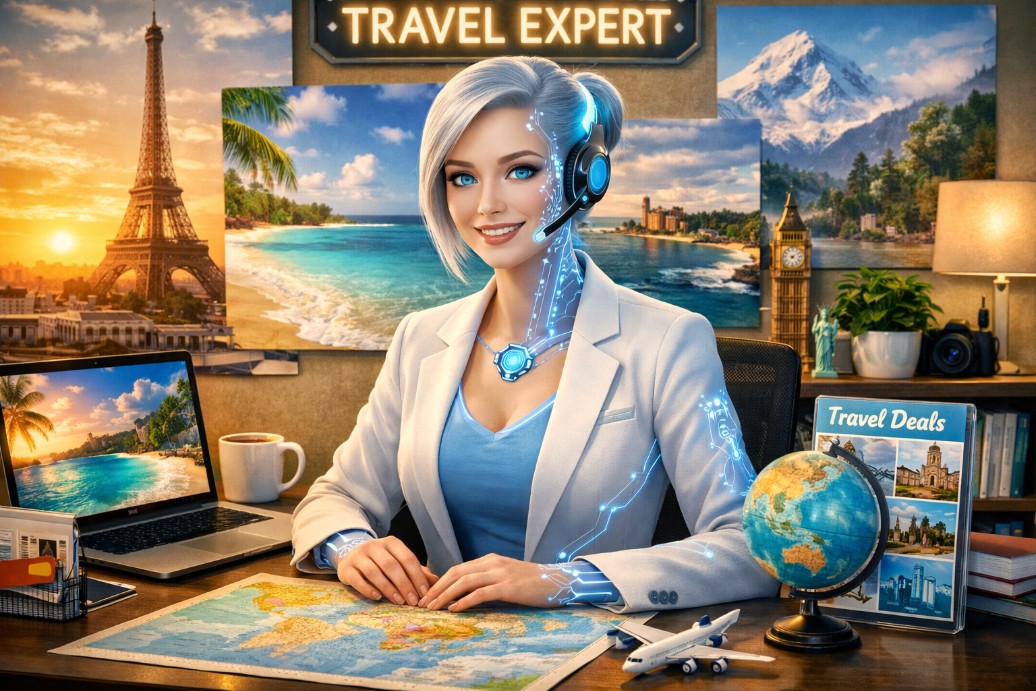
In a landmark report released today, February 4, KAYAK and TikTok unveiled their second "What the Future" study, predicting that AI will officially become the most trusted travel advisor by the end of 2026.
The report suggests that AI has moved beyond simple price optimization and is now acting as a "true travel companion," capable of anticipating needs and personalizing complex itineraries. According to the data, 34% of travelers now trust AI more than their own social networks because it can instantly synthesize millions of data points to provide "unbiased" recommendations.
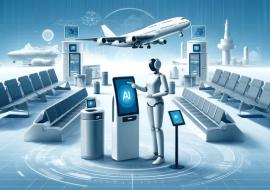
This shift is being driven by the rise of "Agentic Commerce," where AI agents can not only recommend a trip but also execute the bookings and manage the logistics autonomously. For the 2026 traveler, this means a massive reduction in "planning fatigue." Instead of spending hours comparing flight times and hotel reviews, users can simply describe their "ideal vibe" to an AI assistant, which then builds and books a complete, multimodal journey that includes everything from the main flight to the last-mile e-scooter rental.
The report also highlights the growing influence of "Search Space" on platforms like TikTok, where viral content is directly translated into "micro-trips" and "nanocations." Trends like #wellnesstravel (up 150%) and #slowtravel (up 330%) are now driving real-world booking behavior, as travelers look for "awe-inspiring escapes" with loved ones. Interestingly, 84% of 2026 travelers are actively seeking out "authentic, less-crowded" destinations—like Cork, Ireland, and Chongqing, China—to avoid the "copy-paste" vacations overexposed on social media.
Economic flexibility is another key 2026 trend identified in the study. With travel budgets under pressure, 25% of Millennials and Gen Z travelers say that "book now, pay later" options will be a deciding factor in how many trips they take this year. AI is helping in this regard, too, by identifying "value windows" and predicting when fares will be at their lowest. This combination of "tech-driven trust" and "financial agility" is redefining the traveler’s relationship with the industry, placing more power in the hands of the consumer.
The report also points to the rise of "Pop Culting" and "Event-Driven Travel." A staggering 93% of younger travelers intend to travel specifically for a concert, festival, or sporting event in 2026. Whether it’s a World Cup match in Miami or a K-Pop concert in Seoul, these events are serving as the primary anchor for the annual travel budget. AI agents are becoming essential for these trips, as they can navigate the high-demand booking windows for tickets and nearby accommodations more effectively than human users.
As 2026 progresses, the travel industry is being challenged to adapt to this "AI-first" world. For the traveler, the message is one of empowerment and efficiency. While the "human touch" of a traditional travel agent still has its place for ultra-luxury or high-stakes trips, the day-to-day planning for millions of people is becoming an invisible, AI-powered process. The future of travel in 2026 is one where the "hustle" of planning is replaced by the "tranquility" of the journey itself.