The Silent Revolution: How Artificial Intelligence Is Reshaping the Tourism Workforce
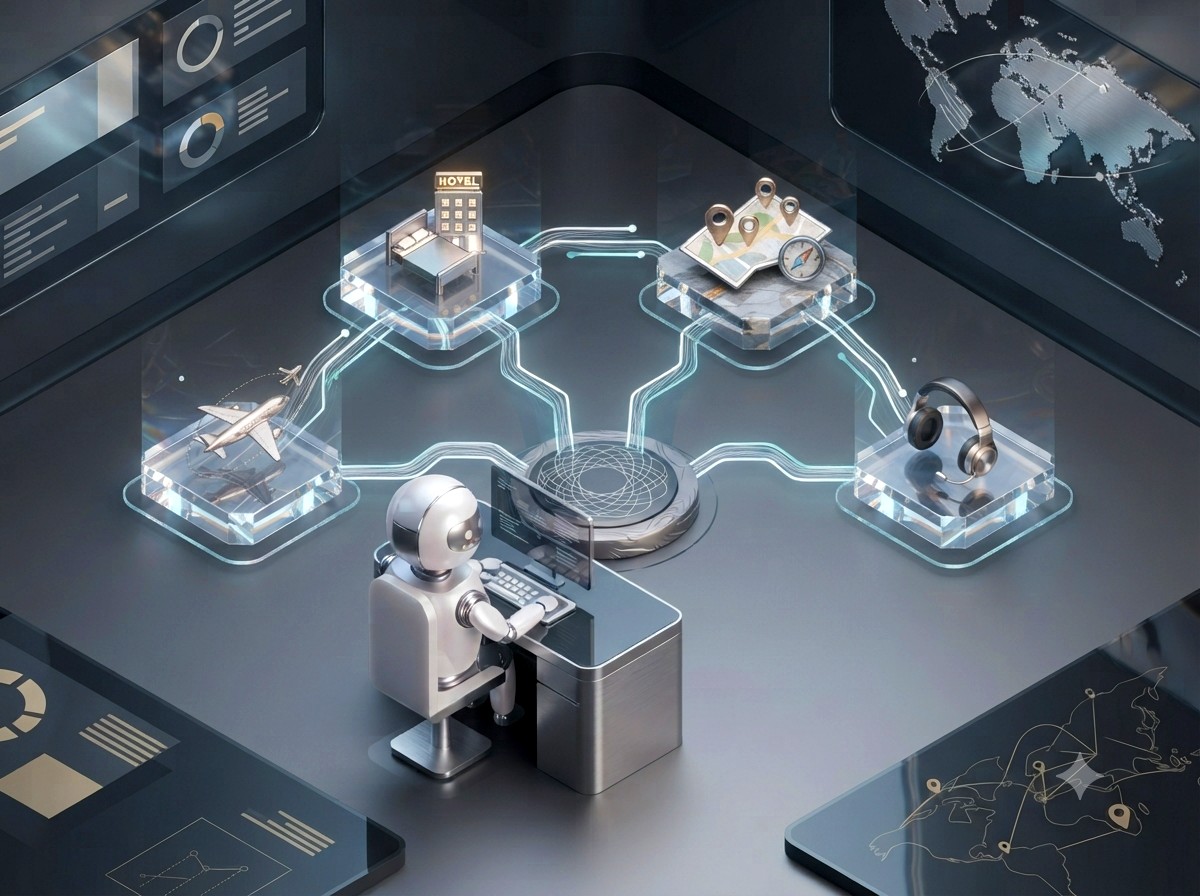
The tourism industry, which has historically relied heavily on human interaction, is currently reaching a major turning point. The widespread integration of artificial intelligence (AI) has moved beyond being a mere promise of future efficiency and has become a reality that is fundamentally restructuring the labor force within airlines, cruise lines, and hotel chains.
While these corporations argue that adopting advanced technology allows for the optimization of core operations, the direct impact on thousands of employees has been a noticeable reduction in headcount across critical departments.
Automation has found its most fertile ground within customer service centers and administrative management departments. Industry giants are pouring massive budgets into conversational AI and intelligent agents that are capable of resolving flight cancellation inquiries, handling complex claims, and processing reservations without any human intervention.
This transition is not a coincidental shift; rather, it reflects a strategic business model where machines, which operate in multiple languages simultaneously and do not require rest, are viewed as a cost-effective alternative to maintaining large human teams amidst rising operating expenses.
Within the cruise line industry, the implementation of virtual assistants and predictive analytical systems has begun to decrease the demand for on-site service personnel. Major companies have deployed virtual concierges available at all hours, which significantly lowers the administrative burden on physical front desks. This technological shift allows operators to reevaluate the size of their staff, effectively justifying smaller teams by delegating routine inquiries to automated solutions that, according to internal guest satisfaction reports, achieve high levels of user acceptance.
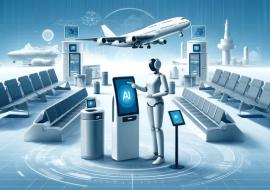
Meanwhile, the hotel sector is navigating a complex dual reality. Although senior executives frequently emphasize that the hospitality experience must retain a signature human touch, the operational landscape tells a different story. The deployment of advanced technology in automated check-in kiosks, the digital management of guest requests, and the data-driven optimization of housekeeping schedules have created an environment where efficiency is measured by the ability of AI to remove friction from repetitive tasks. Consequently, many companies are limiting new hires, opting instead to invest in automation systems that centralize tasks that previously required dedicated departments of human workers.
Competitive pressure remains the primary engine driving this accelerated transformation. As tech-savvy companies set new benchmarks for productivity, traditional tourism organizations feel an immense obligation to adapt or risk becoming obsolete. Current corporate strategies are not limited to direct layoffs; they increasingly focus on the gradual reduction of workforces through hiring freezes and the systematic reallocation of roles.
The message for the existing workforce is clear: the role of the employee is shifting rapidly toward managing and supervising technology, rather than performing the manual tasks that these intelligent systems can now execute independently.