
Cayman Islands Shatters Historical Tourism Records as Inbound Leisure Arrivals Surge
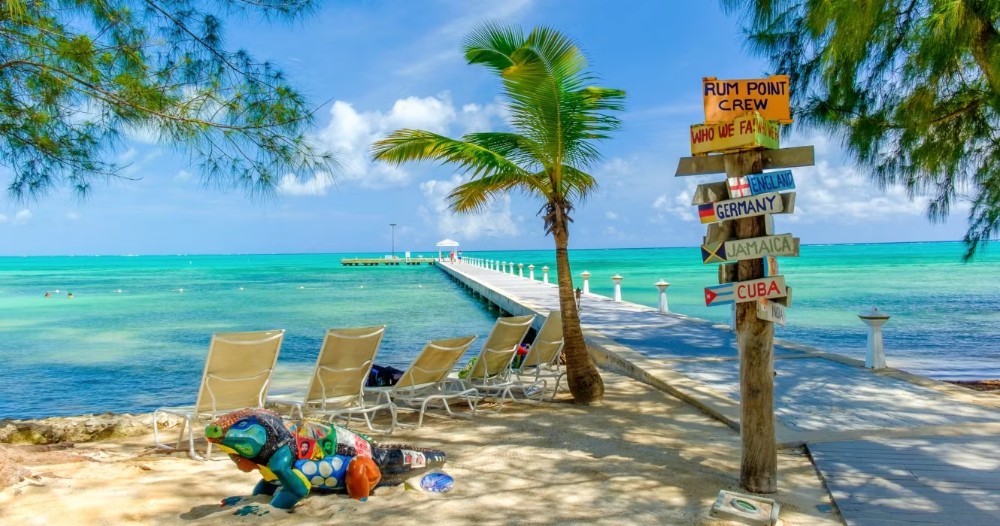
The institutional framework of the British Overseas Territory’s hospitality sector achieved an unprecedented operational milestone following an executive data brief released in George Town. The Cayman Islands Department of Tourism officially confirmed that aggregate air arrivals comfortably shattered all previous historical benchmarks during the initial four months of the current annual cycle. The remarkable arrival velocity highlights a massive, post-pandemic demand consolidation across the territory’s premium oceanfront lodging infrastructure.
According to comprehensive immigration tracking datasets, the island destination welcomed more than 797,000 combined air and cruise visitors during the initial 120 days of the year. A major structural milestone materialized when monthly stopover air arrivals exceeded 60,000 individual passengers for the first time in the nation's documented tourism history. Tourism officials emphasize that nearly 45 percent of the recorded inbound volume consists of high-yield repeat guests.
To systematically sustain this exceptional growth trajectory, regional authorities are aggressively accelerating targeted investments into expanded air access agreements and localized digital innovation frameworks. Sovereign development funds are being directly funneled into major infrastructure modernizations at Owen Roberts International Airport to optimize high-volume passenger processing. The ongoing capital offensive aims to permanently eliminate structural transit bottlenecks that historically constrained peak-season international premium passenger manifests.
The exceptional influx of arrivals has translated into unprecedented revenue gains for local hoteliers, who report record-breaking occupancy levels across Seven Mile Beach. Luxury properties are capturing exceptional average daily room rates, driven by a resilient appetite for upscale Caribbean accommodations among North American travelers. Industry analysts note that the territory’s reputation for safety, premium dining, and pristine environment has insulated it from broader global economic cooling trends.
Furthermore, the surge in stay-over visitors is generating substantial economic multipliers across the broader destination ecosystem, benefiting local transport providers, tour operators, and culinary establishments. The government is leveraging this financial momentum to invest heavily in community-based tourism programs designed to distribute wealth into less-frequented eastern districts. This deliberate diversification strategy aims to protect fragile coastal ecosystems while fostering inclusive long-term economic development.
Looking forward to the shoulder season, tourism planners are launching aggressive corporate partnerships and niche marketing campaigns targeting wellness and culinary enthusiasts. By cultivating specialized travel segments, the island destination seeks to smooth out seasonal valleys and maintain stable employment across the hospitality workforce. The historic arrival data reinforces the territory’s position as an uncompromised leader within the highly competitive regional luxury leisure marketplace.