China Launches Major Summer Tourism Stimulus Campaign
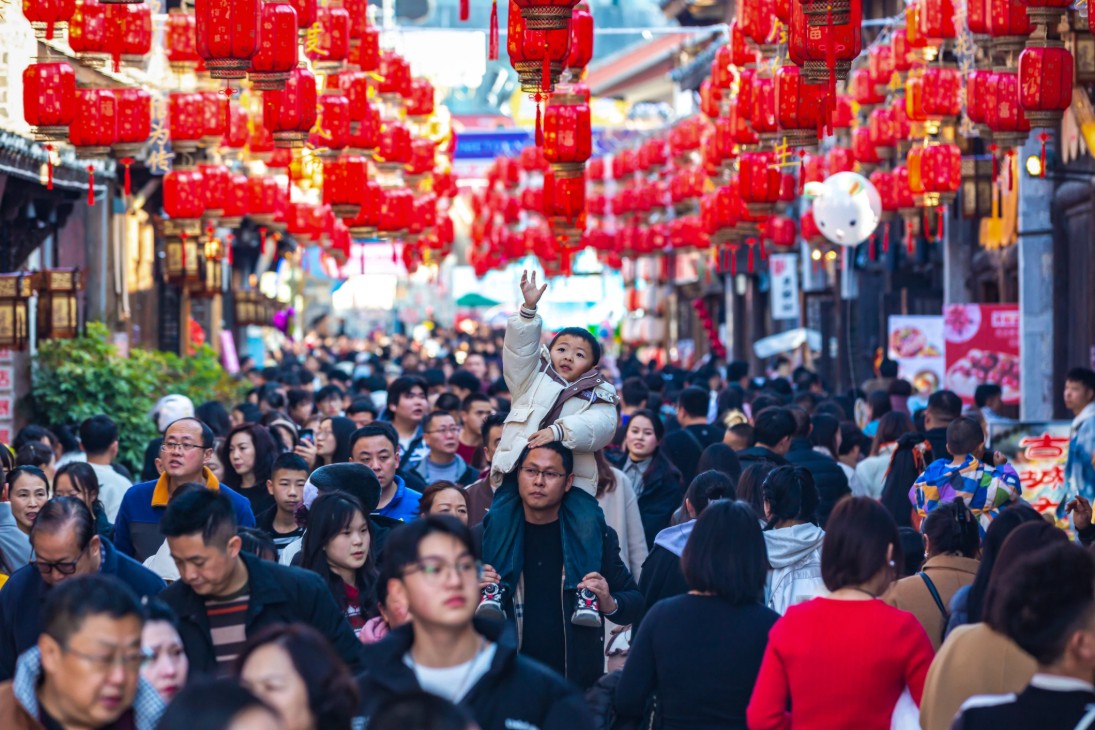
The Chinese government has officially launched a comprehensive national campaign to invigorate the domestic tourism market during the peak summer months.
Organized by the Ministry of Culture and Tourism, the initiative involves the distribution of more than 450 million yuan in consumer vouchers to encourage travel and increase spending on seasonal tourism products. This massive fiscal intervention is designed to stimulate demand across diverse categories, including coastal vacations, cruise trips, and study tours, as the country seeks to maintain its strong post-recovery momentum.
The campaign, which will run throughout July and August, features a robust schedule of more than 30,000 localized activities nationwide. By providing these financial incentives, the government aims to enhance the overall accessibility of travel for the average citizen while simultaneously improving the supply of high-quality seasonal services. This effort is directly aligned with the recently announced five-year development plan, which sets an ambitious target of significantly improving both public access to tourism and overall visitor satisfaction by the year 2030.
Beyond the direct economic impact of the vouchers, the ministry is implementing a suite of support measures to streamline the travel experience. These include detailed information guides, updated safety protocols, and preferential financial policies for tourism-related businesses. By reducing the administrative and financial burdens on travelers, the campaign is expected to facilitate a smoother transition into the busy holiday season, allowing both providers and consumers to benefit from a more structured and supported market environment.
Early data suggests that the stimulus is already influencing traveler behavior, with a noticeable surge in search activity for flight bookings and regional getaways. The ministry emphasizes that this campaign is not merely about increasing passenger numbers but about fostering a higher quality of cultural tourism that benefits regional economies. By promoting lesser-known destinations alongside traditional hubs, the policy aims to alleviate the pressure on major cities while spreading the economic gains of the summer rush to more diverse locations across the country.
The launch event, held in the Haibei Tibetan Autonomous Prefecture, highlighted the importance of intangible cultural heritage as a key driver of modern tourism. As travelers become increasingly interested in authentic, story-driven experiences, the government is highlighting these assets as essential pillars of the nation's new tourism identity. This strategic focus ensures that the stimulus funds are effectively directed toward products that offer long-term value, rather than temporary attractions that lack cultural depth or lasting appeal to the modern traveler.
As the program progresses, industry analysts will closely monitor the impact on long-term growth and sector efficiency. With the transition from full recovery to a focus on sustainable, high-quality development, the Chinese travel sector is demonstrating a refined approach to resource allocation. By balancing direct subsidies with targeted promotion of cultural assets, the government hopes to create a resilient, self-sustaining tourism ecosystem that can withstand seasonal fluctuations and continue to drive national economic performance.