
EES Biometric Checks Fully Operational Across 29 European Nations
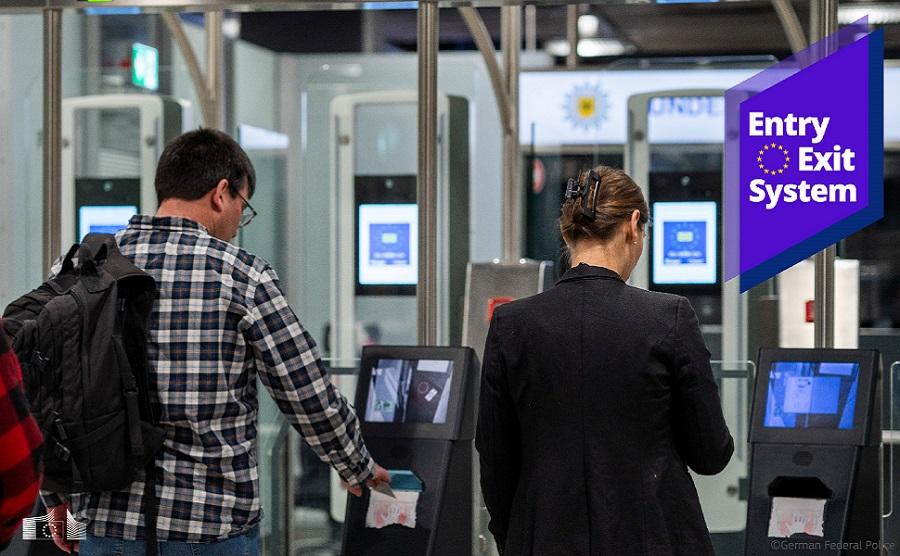
The European Union confirmed today that the Entry/Exit System (EES) is now fully operational across the Schengen Area, marking a "digital revolution" in border management.
Travelers from third countries, including the United States and United Kingdom, are being processed via facial scans and digital fingerprints rather than traditional physical passport stamps. The system is live in 29 participating countries, including major hubs like France, Spain, Italy, and Germany, though Ireland and Cyprus remain exempt.
The deployment of EES is a mechanical necessity for the EU to modernize its security infrastructure and accurately track the 90-day stay limit for non-EU visitors. By replacing manual stamps with an automated electronic record, border authorities can instantly identify visa overstayers and streamline the entry process for frequent travelers.
Travelers are being encouraged to use the "Travel to Europe" mobile app to pre-register details within 72 hours of arrival, which helps mitigate the longer wait times currently reported at major ports of entry like London St. Pancras and Dover.
The transition to biometric entry requires arriving at the airport or terminal earlier than usual. While the facial recognition technology is designed to eventually speed up the process, the initial registration of fingerprints for first-time visitors is creating bottlenecks.
As the ETIAS (travel authorization) system looms for late 2026, the current EES rollout represents the first major step toward a completely paperless European border for the millions of Americans planning summer tours.