
The Pawprint Economy: Pets Reach "Human-Grade" Status in Travel
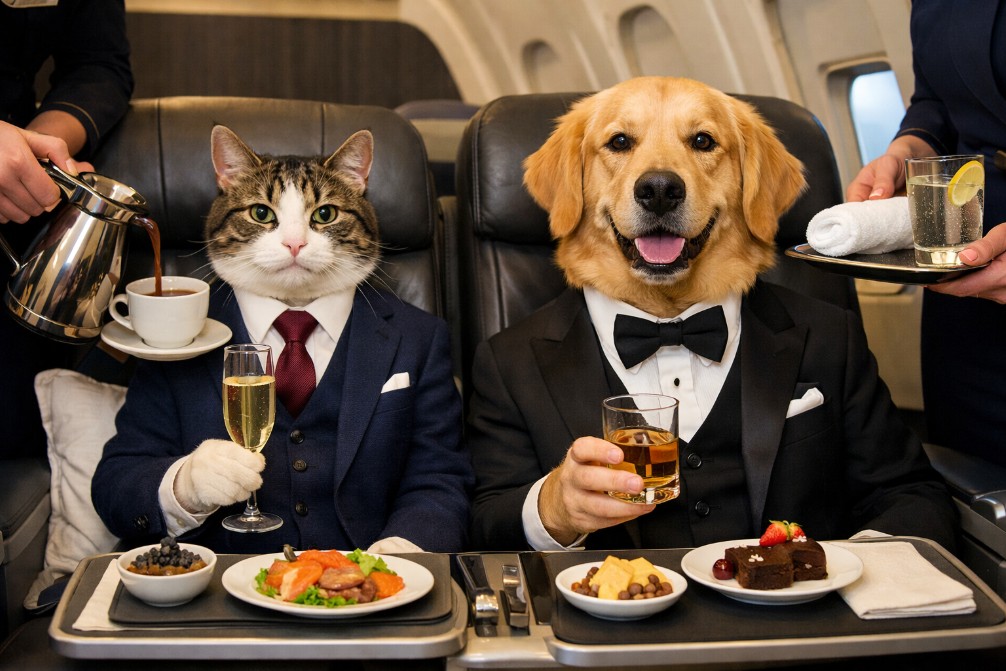
A groundbreaking report from Amadeus released today identifies the "Pawprint Economy" as one of the most transformative forces in the 2026 travel industry.
Pets are no longer being treated as "accessories" but as "dignified travelers" whose well-being and security demand the same attention as their human owners. This shift is being driven by new pro-pet legislation across Europe and North America, as well as a wave of "pet-centric technology" that allows owners to monitor their animals' health and biometrics in real-time through AI-powered collars.
Major hotel brands, including Wyndham and Choice Hotels, are responding to this trend by launching "sustainable pet-friendly touchpoints" such as wood-based key cards and detachable pet tags for every guest. The era of "novelty gimmicks" has been replaced by "genuine care," with high-end resorts now offering "human-grade" pet amenities, including specialized culinary menus and 24/7 access to veterinary telehealth via remote devices. For the 2026 traveler, the ability to travel with a pet is increasingly becoming a "non-negotiable" factor when choosing a destination or a lodging brand.
The "aviation sector" is also undergoing a "pet-led revolution," with private air charters leading the way in allowing animals to fly directly in the cabin rather than in the hold. Several low-cost and regional carriers have begun piloting "Pet-First" seating zones, where the air filtration and cabin temperature are optimized for the comfort of four-legged passengers. This "democratization of pet travel" is particularly valuable for the growing number of digital nomads who refuse to leave their companions behind for extended periods of work and exploration.
At the "home front," travel innovation is helping those who must leave their pets behind, with AI-driven "comfort systems" that simulate an owner's presence through familiar sounds and scents. These technologies are intended to reduce "separation anxiety" and provide owners with "peace of mind" through live-streaming visual feeds and interactive dispensing toys. The "Pawprint Economy" is thus creating a new customer segment that transcends traditional demographics, forcing travel providers to redesign every aspect of the "booking and loyalty" experience.
Industry experts suggest that "pet-friendly status" is now a primary driver of brand loyalty, with 74% of travelers stating they prefer booking with companies they trust to care for their entire "family unit." This trend is even influencing destination marketing, with cities like Asheville and Carmel-by-the-Sea positioning themselves as "pet-first" hubs with extensive networks of "dog-friendly" hiking trails, beaches, and dining patios. In 2026, the "best seat in the house" is often the one reserved for a traveler's most trusted animal companion.