Asia-Pacific Aviation Crippled by "Systemic Shock" and 2,500 Disruptions
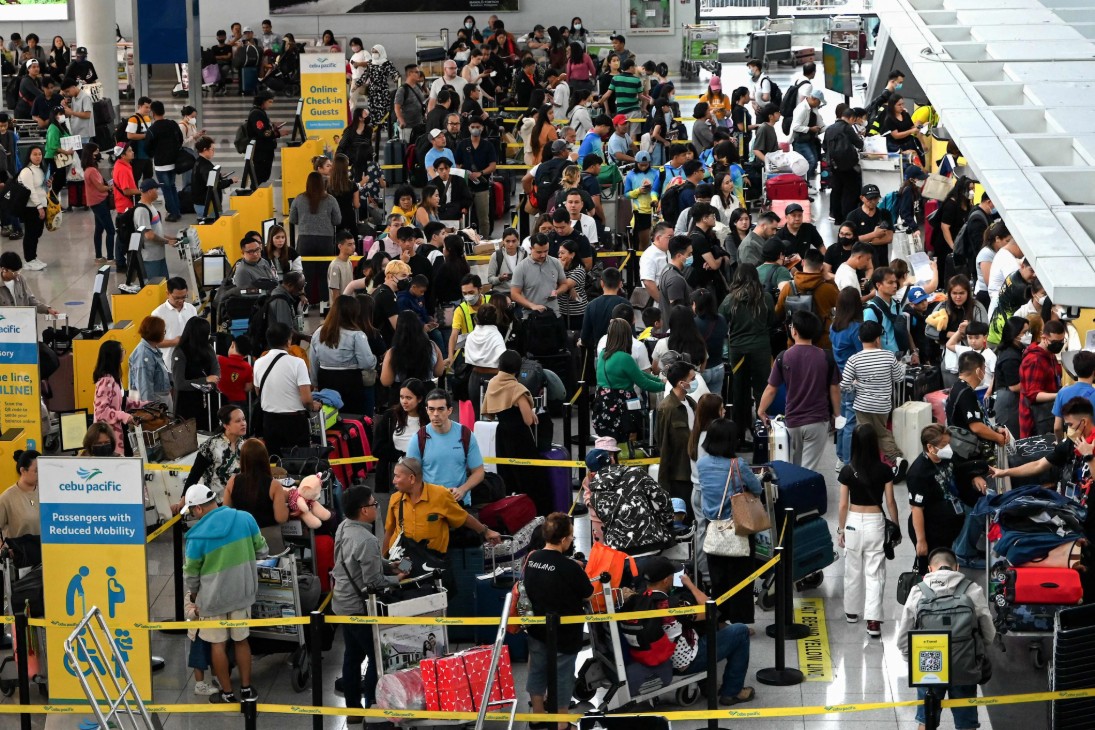
The Asia-Pacific aviation sector faced a near-total operational collapse today, February 19, as six major countries reported a combined 2,510 flight disruptions.
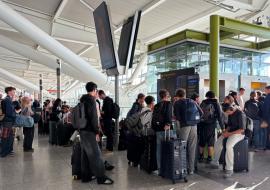
From the bustling hubs of Bangkok and Singapore to the island terminals of Bali, tens of thousands of passengers found themselves stranded as a "perfect storm" of infrastructure overload and crew shortages brought regional travel to a grinding halt. Industry analysts are calling the crisis a "systemic shock," highlighting the extreme fragility of the post-pandemic recovery in the world’s fastest-growing travel market.
In Vietnam, the impact was particularly severe, with over 750 delays reported at Hanoi and Ho Chi Minh City alone. Budget carriers like VietJet Air and Bamboo Airways bore the brunt of the chaos, struggling to manage a cascading series of delays caused by "aircraft positioning failures."
Travelers across the region are facing multi-day rebooking waits, with long-haul seats to Europe and North America reportedly sold out until next week. The crisis has exposed a critical "gate shortage" at Suvarnabhumi Airport, where arriving aircraft were seen sitting on taxiways for over 45 minutes waiting for available parking.
The disruption is being further complicated by strict crew duty time regulations across the region. In Indonesia, Batik Air was forced to cancel 31 flights today—the highest rate in the region—after crews reached their legal 9-hour limit following morning delays in Jakarta. These "safety-mandated shutdowns" have left international travelers in a state of "visa-limbo," as many cannot legally remain in transit countries and are finding airport hotel rates skyrocketing to $300 per night.
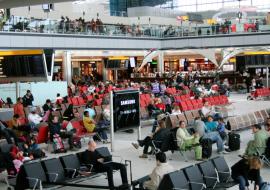
For the 2026 traveler, the Asia-Pacific collapse serves as a stark warning that regional capacity has not kept pace with explosive demand. Experts suggest that the economic hit—from lost tours, missed cruises, and emergency accommodations—could exceed $150 million for today alone. Aviation authorities are under intense pressure to modernize ground handling and "de-bottleneck" major hubs, but for those currently sitting on airport floors in Hong Kong or Da Nang, the immediate future looks like a long wait for a seat home.
As the sun sets over Southeast Asia, the "recovery timeline" remains murky. While some airlines are moving spare aircraft into position, the sheer volume of displaced passengers means that "normalcy" is likely days away. Travelers are being urged to check their mobile apps every hour, but many are finding that the "digital customer service" systems are as overwhelmed as the physical gates.