Sky-High Hopes: International Airlines Race to Reclaim Venezuela Routes
By Jorge Coromina
After months of severe aviation gridlock and regional tension, Venezuela’s commercial airspace is once again welcoming the roar of international jet engines.
The resumption of flights marks a high-stakes turning point for the nation’s tourism industry, as major global carriers move to reconnect Caracas with the world following the dramatic geopolitical shifts of early 2026.
The Return of the Giants
On February 12, Avianca became the first major regional player to restore daily service between Bogotá and Caracas, effectively ending a period of isolation that saw ticket prices for connecting routes skyrocket to over $1,700. The move has triggered a domino effect among international airlines:
European Connectivity: Air Europa is slated to resume flights from Madrid on February 17, with TAP Air Portugal and Turkish Airlines following in March to restore vital transatlantic links.
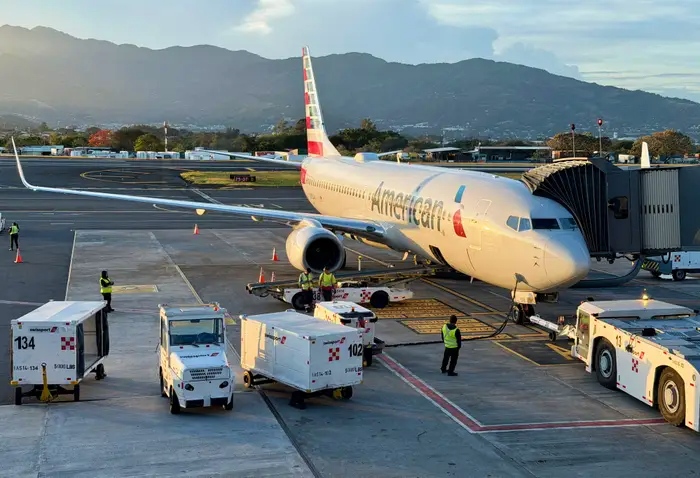
The U.S. Factor: In a historic announcement, American Airlines declared it is "ready" to reinstate nonstop service from Miami, pending final FAA safety assessments. This would mark the first direct U.S.-Venezuela commercial flight in nearly seven years.
Regional Hubs: LATAM Airlines and Wingo have confirmed restart dates for late February, aiming to capture the surge in demand from the Venezuelan diaspora and the business community.
Tourism Resilience and Challenges
Industry leaders, including the Venezuelan Association of Travel and Tourism Agencies (AVAVIT), view the reopening as a "stabilization process" essential for economic recovery. The return of direct flights is expected to breathe life back into flagship destinations like Margarita Island and the Los Roques Archipelago, which have struggled under the weight of restricted connectivity.
However, the recovery remains fragile. The U.S. State Department maintains a Level 4 "Do Not Travel" advisory, citing ongoing security risks despite the interim government's cooperation with Washington. Travelers are navigating a complex landscape of consular constraints and sanctions friction in payment systems, even as the Office of Foreign Assets Control (OFAC) begins easing restrictions on airport operations.