CLIA European Summit Convenes in Madeira to Chart Green Maritime Future
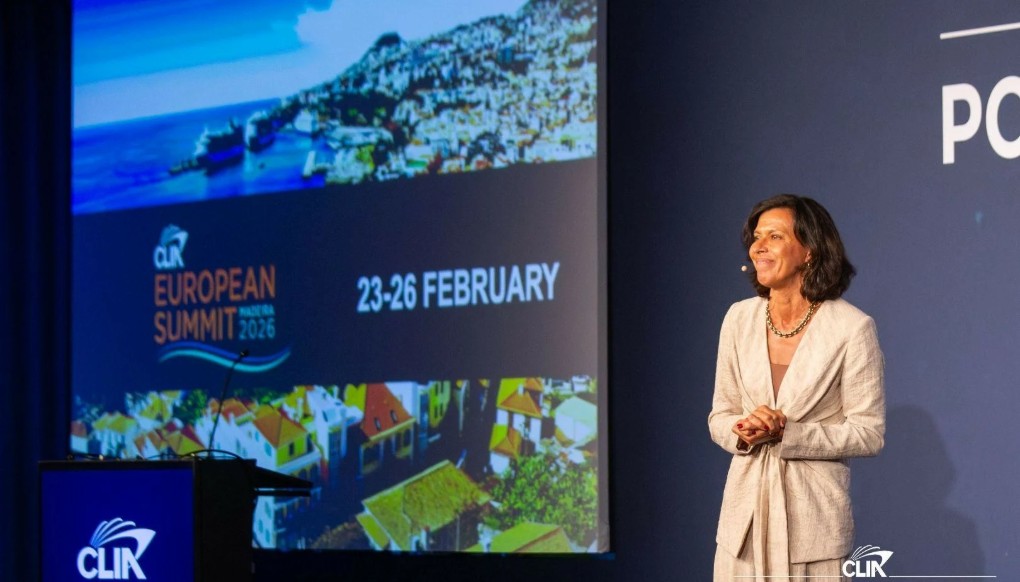
The Cruise Lines International Association (CLIA) officially opened its 2026 European Summit today in the Atlantic archipelago of Madeira, Portugal.
The high-stakes gathering brings together the world’s most powerful cruise executives, European policymakers, and maritime leaders to address the "existential challenges" facing the industry. Central to the agenda is the sector's role in Europe’s decarbonization framework and the urgent need for "port infrastructure" that can support the next generation of liquefied natural gas (LNG) and hydrogen-powered vessels.
The summit opened with a keynote address via video from the European Commissioner for Sustainable Transport and Tourism, who emphasized that the "social license to operate" for cruise lines now depends entirely on their ability to meet "Net-Zero" targets. Industry giants, including MSC Cruises and Royal Caribbean, are using the forum to advocate for a "unified European policy" on shore-side power, which would allow ships to "plug in" while at port and eliminate local emissions. This "maritime connectivity" is seen as the only path forward for the industry as popular destinations like Venice and Barcelona continue to tighten their restrictions.
Beyond environmental concerns, the summit is tackling the growing friction of "overtourism" in European heritage ports. Leaders are discussing "emerging destinations" such as Madeira itself and the Azores as a way to "de-densify" the Mediterranean circuit. By shifting focus toward these Atlantic gateways, the industry hopes to provide travelers with the "exclusivity and authenticity" they crave while reducing the pressure on the continent’s most iconic, yet overcrowded, harbors.
The 2026 cruise landscape is also being reshaped by "technological resilience." Discussions in Madeira are highlighting the need for "cybersecurity frameworks" as ships become increasingly automated and "digitally integrated." For the cruise passenger, the results of these high-level meetings will eventually manifest in "smarter ports" and "greener itineraries," though the cost of this "sustainable transition" is likely to be reflected in higher port fees and "environmental surcharges" on future bookings.
As the summit continues through Thursday, the "Madeira Declaration" is expected to be signed, outlining a roadmap for the "Resilient European Cruise Sector" by 2030. For an industry that contributes billions to the European economy, the stakes have never been higher. The message from the Atlantic is clear: the era of "unregulated growth" is over, replaced by a new focus on "stewardship and sustainability."