Barbados Bets on its Position as the Hub of the Authentic Caribbean
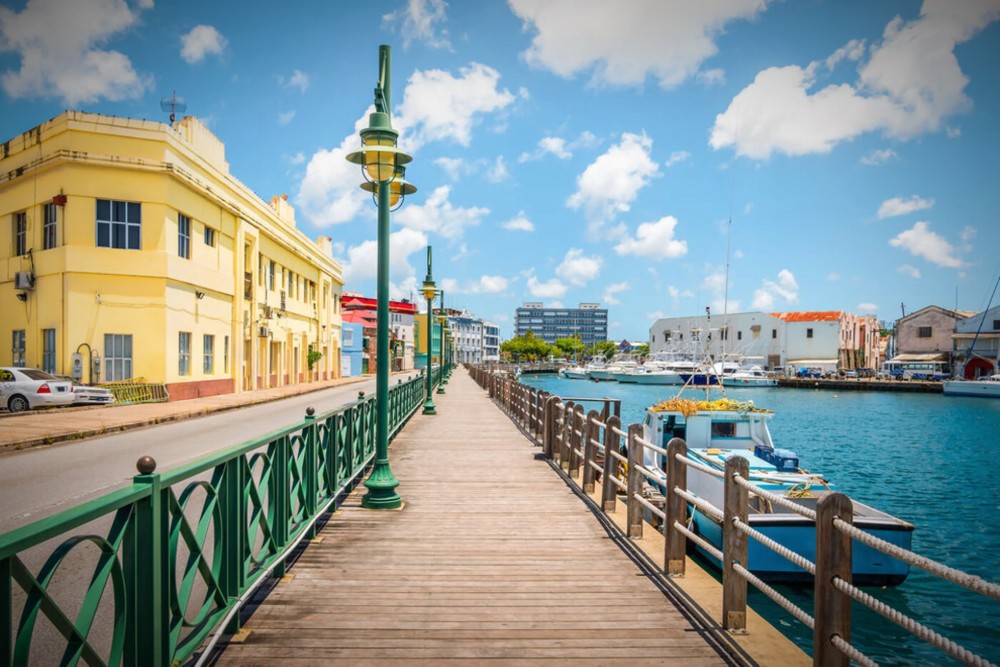
Beyond the postcard-perfect white sand beaches and oceanfront resorts, Barbados aims to position itself as the Caribbean’s most authentic destination for Latin American travelers. The island is reshaping its tourism strategy through a proposal where local culture, gastronomy, community interaction and sustainability are just as important as its beaches.
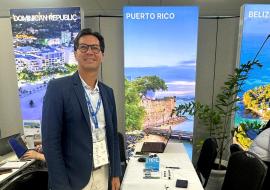
This was the message shared by the Barbadian tourism team during the latest edition of WTM Latin America, where they highlighted the sustained growth of the regional market and the increasing demand for more meaningful and locally connected travel experiences.
Barbados begins its Latin American expansion with Brazil in focus
The expansion strategy in Latin America has one clear protagonist: Brazil. According to Russel Banfield, the South American country is already among Barbados’ top five source markets. However, the island’s ambitions go far beyond that.
“Barbados is placing a special focus on Brazil and the Latin American market in general,” they explained, stressing that the region represents one of the destination’s greatest growth opportunities.
One of the fundamental pillars of this expansion is air connectivity. Between July and September, the tourism board confirmed that Barbados will operate seven monthly direct flights between Panama and the island, significantly improving access from different Latin American countries. For the destination, however, air links are only the physical bridge to an already existing cultural affinity with the region.
“There is a natural connection between Barbados and Latin America through gastronomy, music and lifestyle,” they explained.
A different kind of Caribbean
Unlike many Caribbean destinations, Barbados is committed to offering a far more diverse experience rooted in local life. The island seeks to attract travelers interested not only in beaches, but also in everyday culture, gastronomy and authentic experiences. This vision gave rise to initiatives such as Dine with a Bajan, a culinary project that allows visitors to share meals and moments with local families and experience first-hand what life in Barbados is really like.
“The human and cultural experience is one of the destination’s greatest differentiators,” they stated.
Although Latin America is still considered an emerging market for Barbados despite its geographical proximity, figures show steady growth in both arrivals and brand awareness. Venezuela, Panama, Brazil, Colombia and Mexico currently lead visitor arrivals to the island, while Costa Rica, Argentina and Peru are also showing strong momentum. Tourism representatives insist they are only beginning to see “a fraction of the potential” that exists within the region.
Banfield also emphasized that “Barbados functions as a Caribbean hub” within this ongoing expansion. The island offers daily connections to destinations such as Saint Lucia, Antigua and Barbuda, Dominica and Saint Vincent and the Grenadines, making multi-destination Caribbean itineraries much easier to design.
The Caribbean embraces regenerative tourism as part of its evolution
Sustainability — another key theme at the latest edition of WTM — plays a central role in Barbados’ tourism strategy. The destination believes regenerative tourism must focus equally on social and environmental sustainability. Initiatives such as Dine with a Bajan are specifically designed to foster genuine cultural exchange between visitors and residents.
On the environmental side, Barbados is also developing landscape restoration projects. In the eastern part of the island, former industrial extraction areas are being reforested and transformed into natural spaces that have already begun attracting migratory bird species previously uncommon to the territory. The goal is to convert these areas into biodiversity-friendly environments while also supporting birdwatching activities and environmental education programs, reinforcing a more sustainable and environmentally connected tourism model.
The local community, essential to the island’s tourism development
The integration of the local community into tourism development remains a priority for Barbados’ tourism authorities. The island continuously promotes gastronomic, cultural and community-based initiatives that allow residents to actively participate in and benefit from tourism. Restaurants led by local chefs, rum-related experiences, chocolatiers and activities linked to the island’s cultural heritage are all part of this strategy.
“The hospitality of Barbadians is one of the destination’s greatest differences and we want to preserve it,” they stressed.
These efforts are complemented by festivals such as the Barbados Food and Rum Festival, summer carnivals, sporting events including marathons and beach yoga, as well as activities connected to nature, golf, hiking and cricket.
In terms of experiences, Barbados aims to establish itself as a complete and flexible destination. One of its flagship initiatives is the digital nomad visa, which allows visitors to live and work on the island for up to twelve months. The intention is for travelers to experience the local lifestyle beyond the limits of a traditional holiday — perhaps even deciding to stay permanently.
“Barbados was never and will never be a mass tourism destination”
Despite its tourism growth, Barbados insists on maintaining a model far removed from mass tourism. With a land area of just 430 km², the island has historically focused on small boutique hotels and accommodations integrated into local life.
“Barbados was never and will never be a mass tourism destination,” Banfield stated.
Even all-inclusive resorts coexist alongside local restaurants and businesses, avoiding the isolated tourism enclaves commonly found in other destinations.
Tourism representatives also believe the current geopolitical climate is reinforcing the Caribbean’s image as a safe and stable region.
“Many travelers are looking at the Caribbean as a safe and peaceful region,” they noted, adding that Barbados is receiving increasing international attention as a result.
In the European market, Barbados continues strengthening its air connectivity through direct flights from Germany and the Netherlands. Year-round services operate from Frankfurt, while during high season additional routes are available from cities such as Düsseldorf, Dresden and Hamburg. Seasonal flights from Amsterdam operated by KLM are also available during the tourism season