Hoteliers Prioritize AI Investment to Drive 2026 Profitability
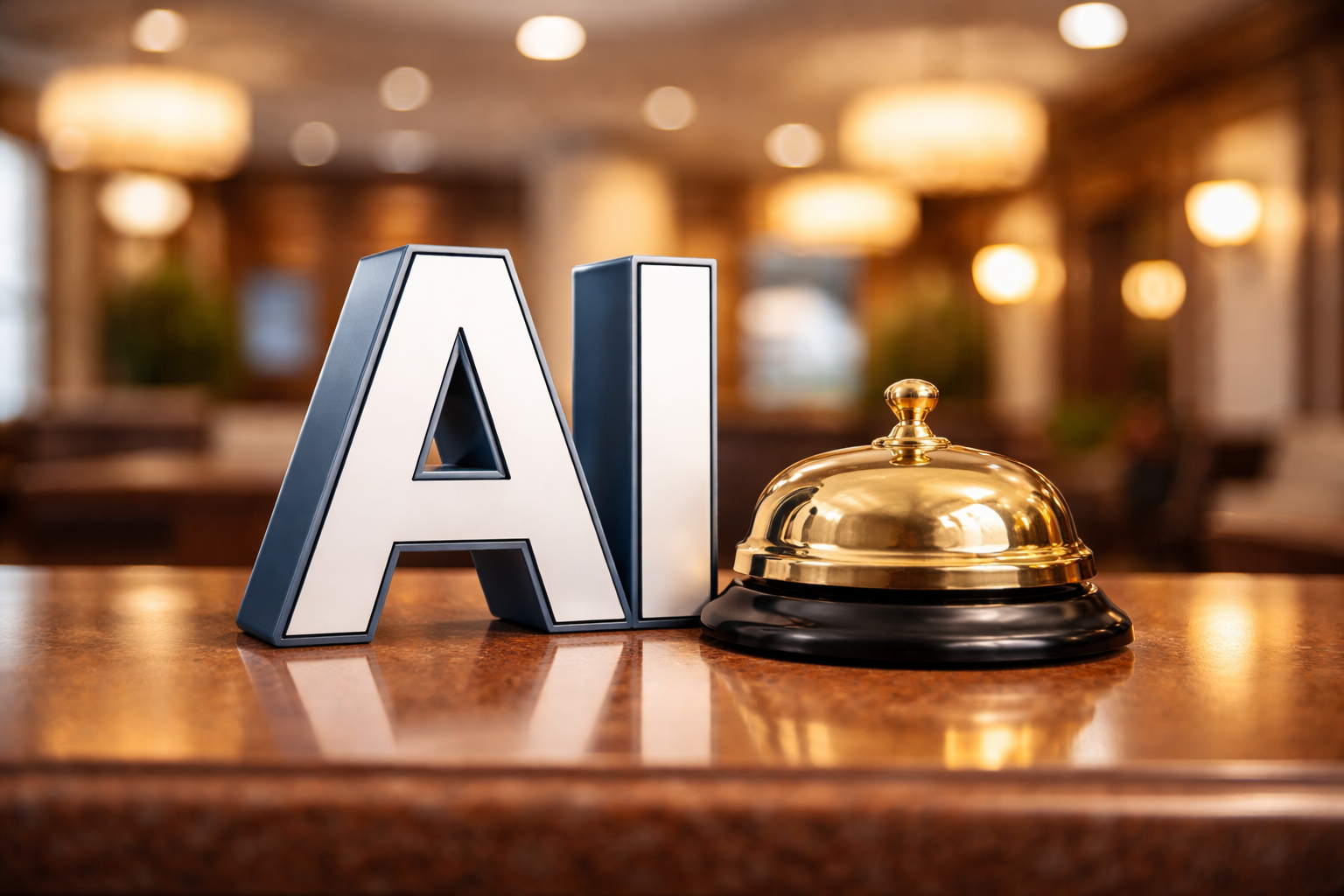
The Amadeus Travel Dreams 2026 report released today reveals that 99% of hoteliers intend to invest heavily in Artificial Intelligence (AI) this year to combat rising operational costs.
On average, properties are allocating $319,000 for AI capabilities, with one in five planning to spend over $500,000 per property. The focus has shifted from "experimental tech" to core strategic investment in revenue intelligence, forecasting, and automation. Hoteliers are under intense pressure to become more efficient and guest-centric as digital transformation becomes a requirement for survival.
A primary challenge identified by 39% of hoteliers is the difficulty in accessing actionable guest data and forward-looking competitive insights. To solve this, new platforms like Mews Business Intelligence are launching today to provide a single source of truth for hotel teams. These AI-powered tools translate complex property and portfolio metrics into plain language, allowing managers to make smarter, faster decisions regarding pricing optimization and occupancy tracking. The goal is to turn fragmented data into decision-ready intelligence without manual exports.
Beyond back-end operations, AI is being used as a service differentiator to deliver hyper-personalization at scale. By monetizing existing attributes—such as specific room views or flexible check-in times—hotels are finding new ways to drive incremental revenue without major capital projects. 49% of respondents view AI as a key enabler for a better guest experience, allowing staff to focus on "high-touch" human services while automation handles routine requests. This dual-pronged approach is designed to improve both financial performance and guest loyalty.
The Amadeus report also highlights that operational efficiency is the top priority for 38% of hoteliers. With labor shortages continuing to plague the industry, AI-driven automation is no longer a luxury but a mechanical necessity for maintaining service standards. This includes predictive maintenance to reduce repair costs and automated scheduling to optimize staff time. As guest expectations continue to shift toward digital-first interactions, the "modern hotel" is being rebuilt as a tech-enabled ecosystem.
However, hoteliers are being careful to preserve the human touch that defines traditional hospitality. The integration of Agentic AI—which can perform complex tasks on behalf of the guest—is seen as the next major shift in the industry. Whether it's automatically rebooking a flight or curating a local dining itinerary, the 2026 hotel stay is becoming more predictive and proactive. This "invisible service" is the new benchmark for luxury and premium brands.
Ultimately, the 2026 hotel industry is in a state of rapid evolution. The heavy investment in AI reflects a broader need to "do more with less" in an era of high inflation and competitive labor markets. For the 2026 traveler, this translates to a more tailored stay where their preferences are "remembered and anticipated" across every touchpoint. The "intelligent hotel" is now a profitability engine.