Wellness Architecture Transforms the 2026 Luxury Hotel Market
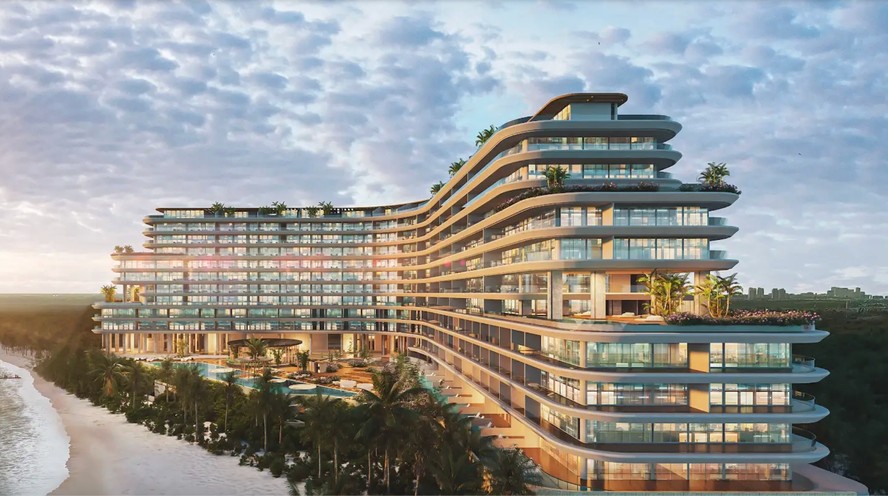
A major report from the Global Wellness Institute (GWI) released today highlights the rise of "Wellness Architecture" as the primary driver of innovation in the "ultra-luxury lodging" sector.
According to the data, 62% of high-net-worth travelers now prioritize "health-optimizing environments" when choosing a hotel, leading to a surge in demand for "biophilic design" and "circadian lighting" systems. This "total immersion" in wellness is moving the industry away from "passive spa treatments" toward a model of "active health enhancement" and "biological restoration."
The report identifies "air and water quality" as the "new luxury frontier," with top-tier hotels installing "medical-grade filtration" and "structured water" systems in every guest room. This "invisible luxury" provides travelers with a "safe and restorative" environment that supports their "cognitive and physical performance." The "Wellness Architecture" trend also includes the use of "natural and non-toxic materials" that reduce "environmental stress" and promote a "deeper sense of calm" and "well-being."
For the 2026 luxury voyager, this means a "total transformation" of the hotel stay into a "biological reset" that leaves them feeling "better than when they arrived." Many hotels are now offering "AI-powered wellness assessments" upon check-in, allowing for "personalized programming" that includes "bio-hacking" treatments and "nutritional optimization." This "hyper-scientific approach" to health is turning the "hotel as a sanctuary" into a "clinical and commercial reality" for the global elite.
The GWI report also emphasizes the "importance of social wellness," with hotels redesigning their "communal spaces" to foster "meaningful human connection" and "community engagement." This "holistic approach" ensures that the "benefits of wellness" are not limited to the individual but extend to the "wider social fabric." By creating environments that support "both private reflection and public interaction," the industry is successfully "future-proofing" its product against the rising "tide of digital isolation."
As the "first wellness-certified hotels" open their doors in New York and London this week, the industry is "watching with keen interest." The success of these properties will likely determine the "design and operational standards" for the luxury market for the next decade. The "wellness revolution" is "here to stay," proving that the "ultimate luxury" in 2026 is "the health and vitality of the human spirit."
A major report from the Global Wellness Institute (GWI) released today highlights the rise of "Wellness Architecture" as the primary driver of innovation in the "ultra-luxury lodging" sector. According to the data, 62% of high-net-worth travelers now prioritize "health-optimizing environments" when choosing a hotel, leading to a surge in demand for "biophilic design" and "circadian lighting" systems. This "total immersion" in wellness is moving the industry away from "passive spa treatments" toward a model of "active health enhancement" and "biological restoration."
The report identifies "air and water quality" as the "new luxury frontier," with top-tier hotels installing "medical-grade filtration" and "structured water" systems in every guest room. This "invisible luxury" provides travelers with a "safe and restorative" environment that supports their "cognitive and physical performance." The "Wellness Architecture" trend also includes the use of "natural and non-toxic materials" that reduce "environmental stress" and promote a "deeper sense of calm" and "well-being."
For the 2026 luxury voyager, this means a "total transformation" of the hotel stay into a "biological reset" that leaves them feeling "better than when they arrived." Many hotels are now offering "AI-powered wellness assessments" upon check-in, allowing for "personalized programming" that includes "bio-hacking" treatments and "nutritional optimization." This "hyper-scientific approach" to health is turning the "hotel as a sanctuary" into a "clinical and commercial reality" for the global elite.
The GWI report also emphasizes the "importance of social wellness," with hotels redesigning their "communal spaces" to foster "meaningful human connection" and "community engagement." This "holistic approach" ensures that the "benefits of wellness" are not limited to the individual but extend to the "wider social fabric." By creating environments that support "both private reflection and public interaction," the industry is successfully "future-proofing" its product against the rising "tide of digital isolation."
As the "first wellness-certified hotels" open their doors in New York and London this week, the industry is "watching with keen interest." The success of these properties will likely determine the "design and operational standards" for the luxury market for the next decade. The "wellness revolution" is "here to stay," proving that the "ultimate luxury" in 2026 is "the health and vitality of the human spirit."