Cyclone Ditwah Devastates Sri Lanka at the Height of Tourist Season
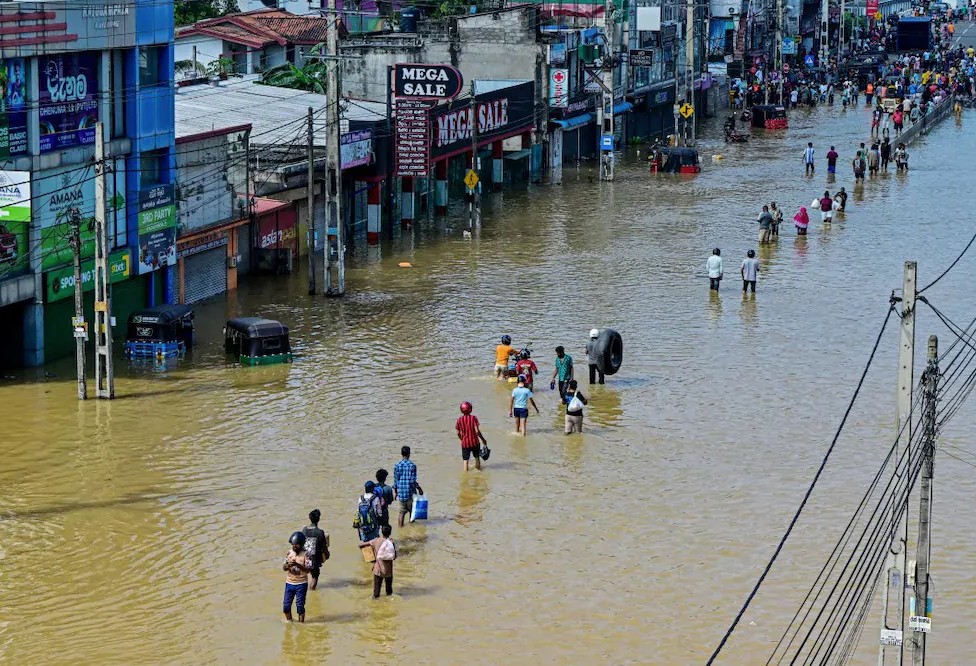
Photo: AFP
Sri Lanka is reeling after Cyclone Ditwah tore through the country during its peak tourism period, leaving a trail of destruction in some of its most visited regions. The storm caused severe damage to infrastructure, flattened homes, and hit coastal tourism hubs especially hard, marking one of the most devastating natural disasters the island has faced in recent years.
Initial assessments indicate the cyclone has killed hundreds, displaced thousands, and affected nearly 10% of the population. The humanitarian toll has been compounded by canceled flights, damaged accommodations, and widespread travel disruptions — a harsh blow for a nation deeply reliant on tourism revenue.
Among the hardest hit are small tourism businesses such as guesthouses, homestays, and community-based tour operators. Many have lost bookings and face uncertain futures, lacking the capital reserves needed to rebuild quickly. For these operators, the road to recovery may stretch months or even years.
While several major hotels and well-fortified coastal resorts remain operational, the national tourism association reports that tourist cancellations remain relatively low at about 1% so far. Even so, industry leaders warn that the long-term impact on Sri Lanka’s international tourism image is still unknown.
Government authorities have launched emergency measures, including airlifting stranded tourists, waiving overstay penalties, and enabling flexible travel arrangements. Tour operators are re-routing itineraries away from devastated coastal zones and promoting safer inland destinations to keep tourism activity moving where possible.
Despite these interventions, the path to recovery—particularly for small businesses—will be challenging. Sri Lanka’s tourism community is appealing for international assistance, solidarity, and future travel to help the sector rebuild. But they acknowledge that restoring infrastructure and traveler confidence will require time, resources, and sustained global support.