
China Launches Nationwide Upgrade to Frictionless Inbound Travel
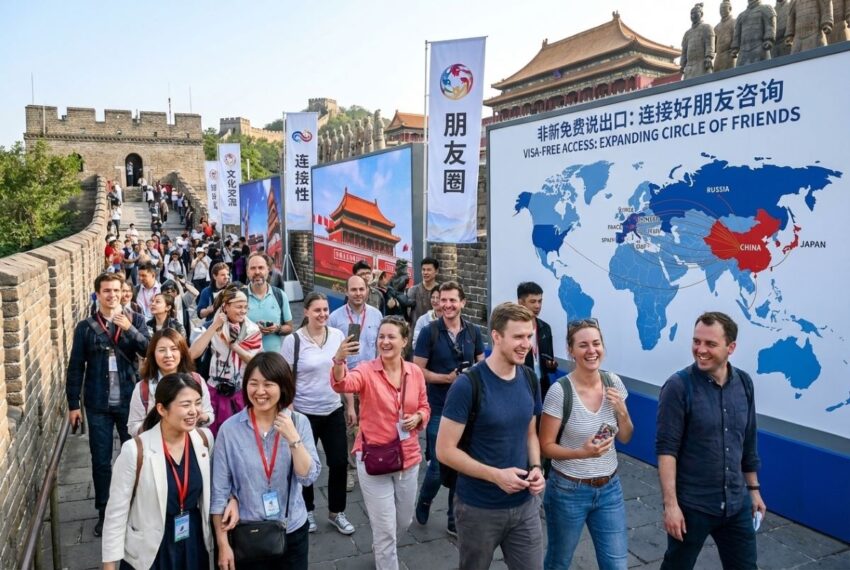
The Chinese Ministry of Commerce officially launched a nationwide customer service upgrade today, aiming to transform the country into one of the world's most accessible destinations for international travelers.
This initiative follows a massive 49.5% jump in international visitor spending in 2025, reaching nearly 394 billion yuan. The goal is to remove systemic bottlenecks in dining, transport, and sightseeing by enhancing digital integration and payment accessibility. For the 2026 traveler, this means a more seamless experience when using international credit cards and digital wallets for daily transactions.
A key component of this policy package includes optimized departure tax refund procedures and improved access to local telecom services for foreigners. The National Immigration Administration reported that over 1.31 million foreigners entered or exited China during the recent Spring Festival period, a 21.8% increase year-on-year. To capitalize on this global recovery, China is also making it easier to host international concerts and sporting events, creating new integrated journeys that encourage longer stays and deeper cultural immersion.
This "frictionless initiative" is designed to present an authentic image of contemporary China to a global audience. By fostering collaboration between previously siloed sectors—such as retail and tourism—policymakers hope to generate integrated appeal where the total experience exceeds the sum of its parts. This is particularly visible in Shanghai and Sichuan, where tax-free shopping sales have rocketed by triple digits compared to the previous year. The China Tourism Academy notes that the timing of these policies is calculated to seize a moment of intense international curiosity.
The digital integration aspect is especially significant, as it addresses the "electronic wall" that many visitors previously faced when trying to navigate mobile-first ecosystems. New measures allow for the linking of international accounts to local apps for ride-hailing and food delivery, removing a major point of friction for non-Chinese speakers. This technological bridge is essential for attracting Gen Z and Millennial travelers who rely heavily on smartphone-driven navigation. The "smart tourism" model is now a national priority for driving economic growth.
Beyond technology, the government is also encouraging local hospitality teams to improve language accessibility and guest-centric services. This "human touch" is intended to complement the high-tech infrastructure, ensuring that visitors feel welcomed and understood. Officials believe that by offering a better quality of life to experience, they can turn first-time visitors into repeat guests. The 2026 strategy is firmly focused on sustainability and the "long-term value" of the international visitor market.
China's frictionless travel push is a major bid to dominate the Asian tourism market. By removing the mechanical barriers to entry and spending, the country is positioning itself as a top-tier global hub. As air connectivity continues to recover, this customer service upgrade could redefine inbound travel patterns for the next decade. The 2026 explorer will find a China that is more open and easy to navigate than ever before.