Transat A.T. Trims 2026 Capacity by 6% Amid Escalating Fuel Crisis
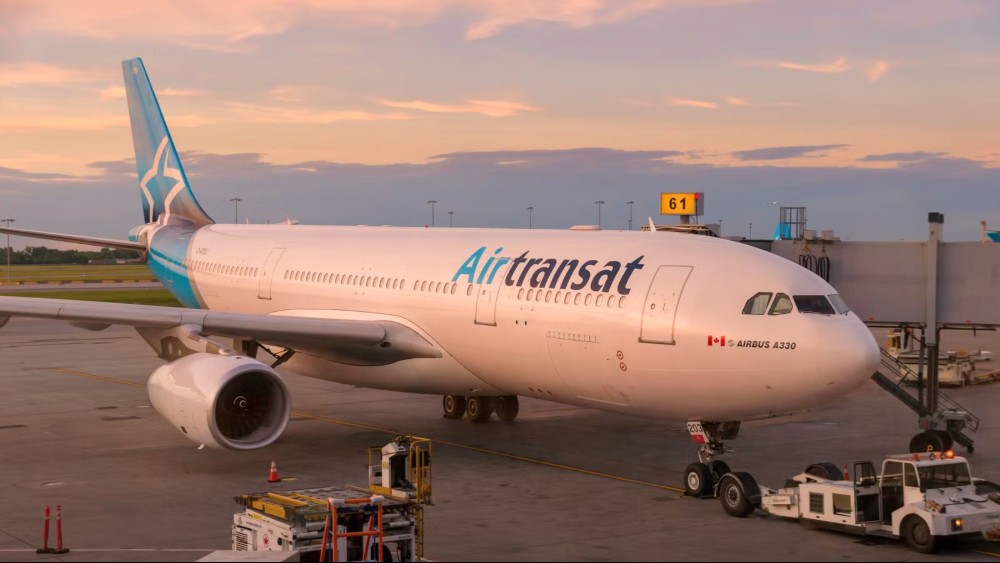
Transat A.T. Inc. officially revised its 2026 flight program today, announcing a 6% reduction in planned capacity between May and October. This strategic contraction is a direct response to the "exceptional environment" of aviation fuel volatility that has plagued the industry since the start of the year.
The airline is prioritizing high-performance routes and reducing frequencies on select services to Europe and the Caribbean, demonstrating a hard pivot toward operational discipline and financial preservation in a high-cost era.
In addition to the capacity cuts, Transat has extended its suspension of service to Cuba through October, citing a lack of economic feasibility under current energy prices. CEO Annick Guérard noted that while travel demand remains strong, the pressure on operating margins is too severe to ignore. This move mirrors recent actions by Air Canada and WestJet, who have also consolidated flights and suspended lower-demand routes to cope with a jet fuel premium that shows no sign of stabilizing in the near term.
This trend translates into fewer options and higher airfares for the summer season. The "shrinking of the sky" is a mechanical necessity for carriers to avoid significant financial losses, but it leaves many passengers with cancelled itineraries and limited rebooking choices. Transat is offering alternative travel options to affected customers, but the overall reduction in supply across the Canadian market is expected to drive transatlantic ticket prices to record highs by mid-June.
The volatility in fuel prices reflects a broader global instability that is forcing airlines to become more agile and data-driven in their scheduling. Analysts suggest that the era of "unrestricted expansion" has been temporarily replaced by a era of strategic scarcity. As carriers like Transat optimize their programs, the focus is moving away from market share volume and toward high-yield profitability. This market correction is a defining feature of the 2026 aviation landscape, where resource management is the primary driver of airline survival.