Turbulence Ahead: Spirit Airlines Faces Existential Threat Amid "Chapter 22" Struggles
By Jorge Coromina
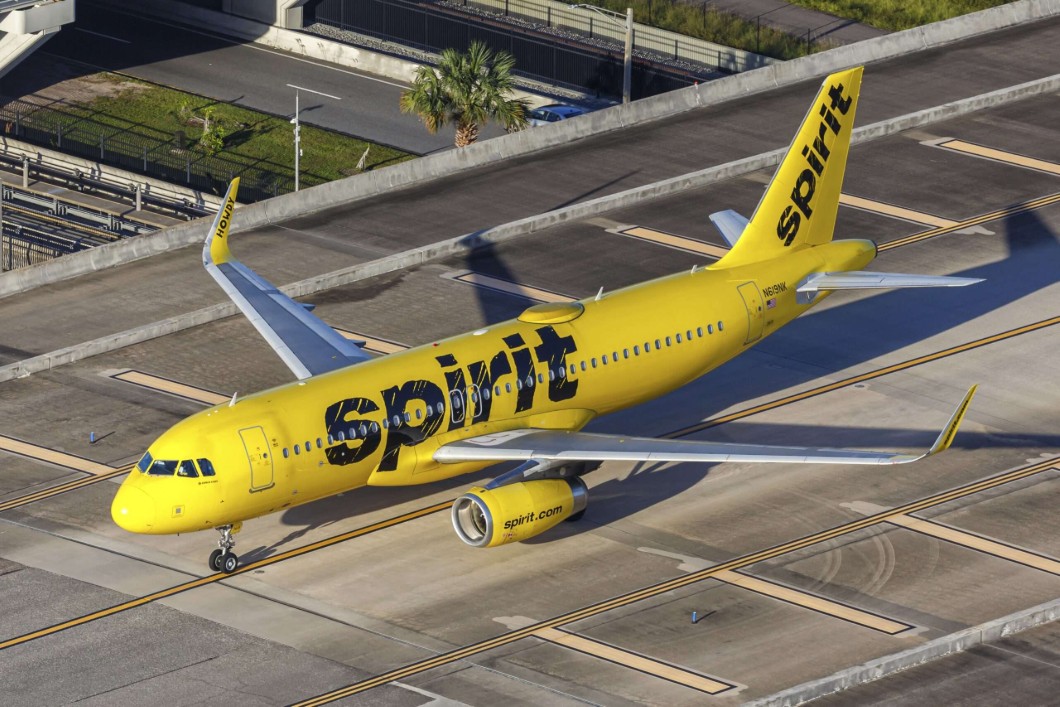
The iconic yellow planes of Spirit Airlines are navigating a relentless financial storm that has industry analysts questioning if the ultra-low-cost carrier (ULCC) can remain airborne through 2026. After a high-profile bankruptcy filing in late 2024 and a brief emergence in early 2025, the carrier has plunged back into Chapter 11 proceedings—a rare and precarious phenomenon colloquially known on Wall Street as a "Chapter 22."
The airline’s current financial woes are rooted in a "perfect storm" of high-stakes corporate setbacks. The most significant blow remains the 2024 collapse of its planned $3.8 billion merger with JetBlue, which was blocked by federal regulators on antitrust grounds. That deal was seen as Spirit's ultimate lifeline; without it, the company was left to face its $3.3 billion debt load alone.
While Spirit successfully equitized nearly $800 million in debt during its first restructuring in early 2025, the "fix" proved to be a temporary bandage. By mid-August 2025, the airline was forced back into court, citing a "challenging pricing environment" and a sharp decline in demand for domestic leisure travel.
Beyond the balance sheet, Spirit’s operational capacity has been crippled by a technical nightmare. A significant portion of its Airbus A320neo fleet—roughly 25% to 30%—remains grounded due to ongoing defects in Pratt & Whitney GTF engines.
38 aircraft are currently sitting idle awaiting specialized inspections. The airline expects engine-related groundings to persist through 2027. Lost revenue from these idle planes has drained cash reserves faster than the company can restructure.
In a desperate bid to shore up liquidity, Spirit has begun liquidating its most valuable remaining assets. In early February 2026, the airline finalized the sale of its final gate leases at Chicago O'Hare International Airport.
United Airlines and American Airlines each spent approximately $30 million to snatch up these gates. Industry experts view these sales as a "white flag" in major competitive hubs, signaling that Spirit is retreating to a much smaller, scaled-down schedule.
The Toll on Travelers and Staff
The financial hemorrhage is now manifesting as operational chaos. This week at Fort Lauderdale International Airport, a primary hub for Spirit, the airline was responsible for 93% of all cancellations.
The human cost is equally stark. Since December 2025, the carrier has moved forward with:
-
1,800 flight attendant furloughs (one-third of its cabin crew).
-
The furlough of 330 pilots and the downgrading of 170 captains.
-
The permanent closure of operations in five major cities, including Phoenix and St. Louis.
"Crews are exhausted and morale has collapsed," noted one union representative. "We are telling our members to prepare for all possible scenarios, including liquidation."
Management remains optimistic, projecting a return to profitability by 2027. However, the market is skeptical. With a projected net loss of $145 million for 2026 and creditors growing impatient, the airline's fate may rest on finding an emergency buyer—likely a private equity firm like Castlelake—before the end of the third quarter.
For now, Spirit continues to fly, but for the millions of travelers who rely on its no-frills model, the "yellow sub" of the skies is in a fight for its very life.