HMS Hondius Docks in Tenerife Under Strict Sanitary Security
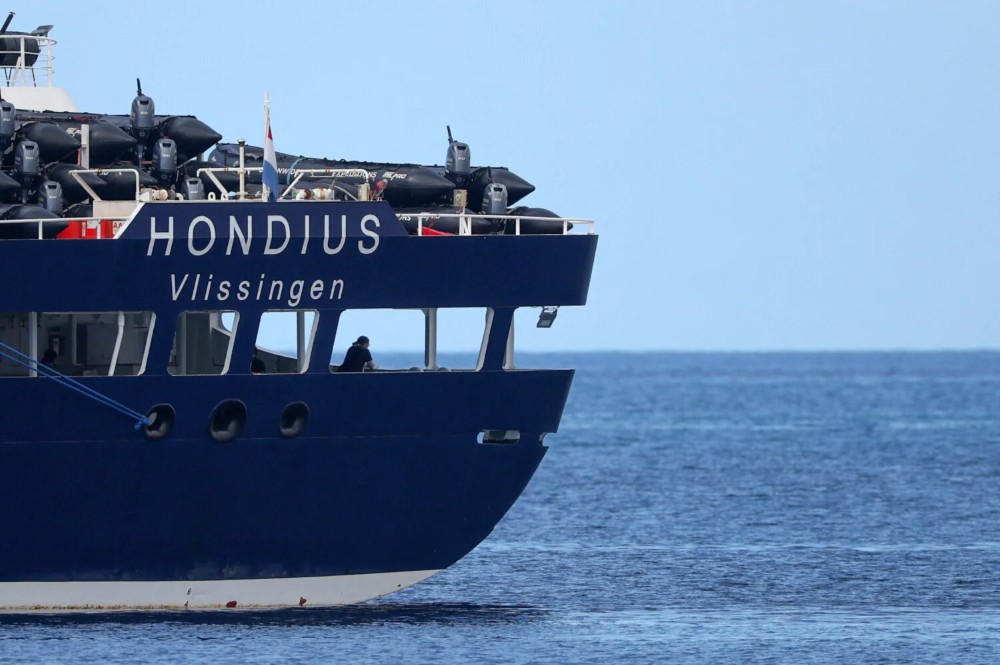
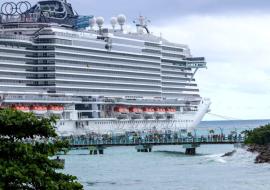
The polar expedition vessel HMS Hondius finally docked at the port of Granadilla de Abona, on the island of Tenerife, ending weeks of uncertainty following a hantavirus outbreak on board.
The ship, which had been rejected by multiple international ports, received authorization from Spanish authorities after an exhaustive evaluation by the World Health Organization and the Ministry of Health.
The arrival took place under an unprecedented security deployment in the Tenerife port area. Medical personnel equipped with biological protection suits coordinated the disembarkation of passengers, while high-tech ambulances waited at the pier for necessary hospital transfers.
Biological Alert and Victim Toll
The health crisis originated during the ship's voyage from the South Atlantic, with the first cases detected following stopovers in remote regions. The epidemiological update is grim, with three deaths confirmed so far linked directly to the Andes variant of the virus, known for its high mortality rate.
Currently, there are ten confirmed cases among the passengers and crew. The most critical patients, of German and British nationality, were evacuated in medicalized aircraft to specialized centers in the Netherlands, while Spanish citizens have been referred to a hospital in Madrid to maintain a rigorous preventive quarantine.
Deep Disinfection on the Horizon
Following the total disembarkation of the 147 occupants, the Hondius is scheduled to set sail for the port of Rotterdam. In Dutch territory, the vessel will undergo an industrial sanitization operation and pest control, as hantavirus is primarily spread through contact with rodent waste.
International experts in emerging diseases are working to determine the source of infection. Preliminary investigations are focusing on excursions made in the South Georgia Islands, where passengers may have had accidental contact with nests of wild mice carrying the pathogen.
International Surveillance Protocols
Despite the dramatic nature of the operation in Canary Islands, public health authorities have sent a message of calm to the civilian population. The action protocol activated in Tenerife ensured that there was no physical contact between the evacuees and non-essential port personnel, minimizing the possibility of community transmission.
The WHO has reiterated that this event is considered an isolated and contained outbreak. However, the Hondius case reopens the debate on biosafety measures in expedition tourism to ecologically sensitive areas, where interaction with unknown wildlife represents a latent risk to global health security.