Hondius Vessel to Dock in Tenerife Under High-Security Quarantine
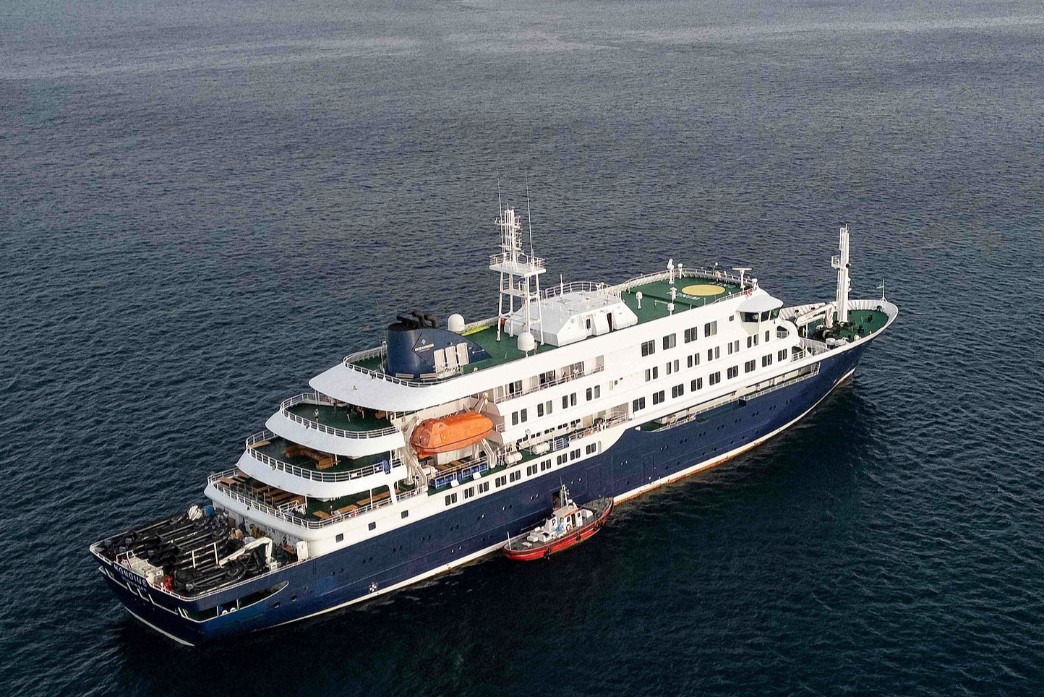
The expedition vessel m/v Hondius is scheduled to dock at the Port of Granadilla this Sunday, May 10, 2026, marking a critical phase in a developing international health crisis.
The ship, operated by Oceanwide Expeditions, has been identified as the epicenter of an outbreak of the Andes virus, a specific strain of hantavirus. According to the World Health Organization (WHO), this strain is uniquely dangerous due to its documented ability for person-to-person transmission, necessitating unprecedented containment protocols as it nears the Canary Islands.
The vessel currently carries 90 passengers, down from its original 120. The reduction follows a stop in Saint Helena, where 30 individuals—including one deceased passenger—were offloaded. Medical teams from the Netherlands and the WHO are already on board, monitoring symptoms as the ship transits toward Spain. Oceanwide has stated that once the vessel docks and passengers disembark, the company will relinquish control of medical testing and travel logistics to government agencies.
International Coordination and Evacuation Plans
Spanish Health Minister Mónica García has confirmed the establishment of a "completely isolated and cordoned-off zone" within the Port of Granadilla. This specialized area is designed to facilitate a direct transition from the ship’s gangway to medical charter flights, bypassing any contact with the local population. The use of Granadilla, a more secluded industrial port, is a strategic choice to ensure the safety and hospitality of the region while managing a high-risk biological threat.
Crisis Response DataDetails
Vesselm/v Hondius (Oceanwide Expeditions)
PathogenHantavirus (Andes Strain)
U.S. Citizens Involved17 currently on board
Primary PortGranadilla, Tenerife (Arrival Sunday)
CoordinationSpain, USA (CDC), Netherlands, WHO
The United States is playing a central role in the operation, with the Centers for Disease Control and Prevention (CDC) monitoring 17 Americans still aboard. The CDC has already placed several citizens who returned from Saint Helena under surveillance in Georgia, California, and Arizona. Specialized biosecurity aircraft will be dispatched to Tenerife this Sunday to repatriate the remaining American passengers under strict isolation, ensuring that the global mobility of the virus is halted at the border.
Testing Regional Resilience
This medical emergency serves as a rigorous test for Spain’s public health infrastructure and its ability to manage imported biological threats. While local Canary Island authorities have expressed concern over the proximity of the virus, the central government maintains that all international protocols are being followed to the letter. For the tourism industry, which is currently grappling with high fuel costs and shifting demand, the successful management of the Hondius quarantine is vital to maintaining the image of the islands as a secure and responsible global destination.
The operation underscores a new era of destination stewardship, where the prosperity of a region depends as much on its medical readiness as its cultural appeal. As the ship approaches the coast, the focus remains on a swift, clinical execution of the evacuation to prevent the Andes virus from establishing a foothold in Europe or North America.