ITB Berlin Concludes 60th Anniversary Summit with "Resilience Declaration"
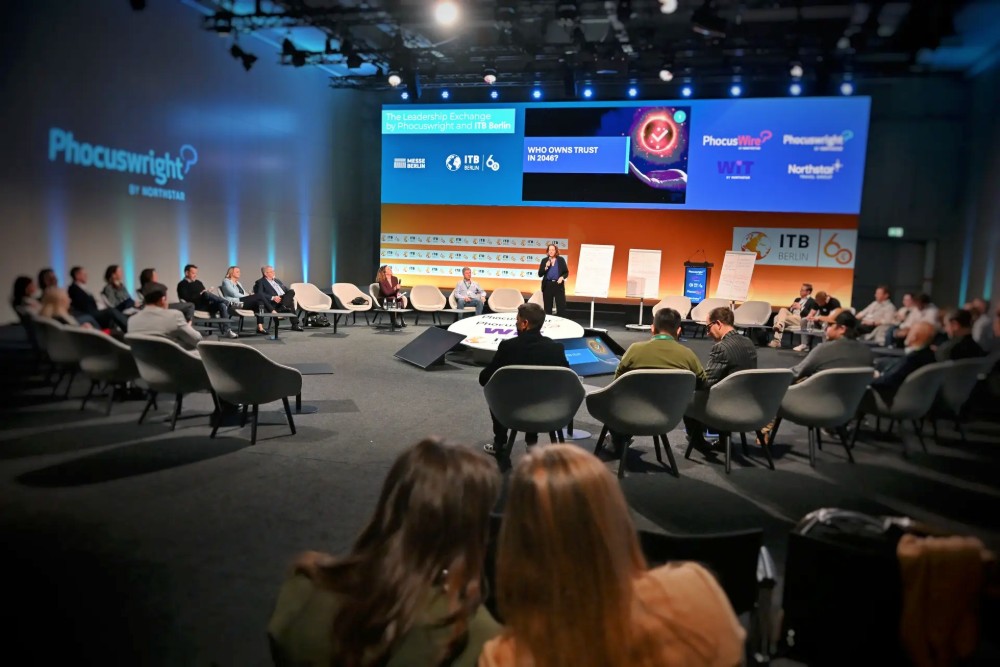
The world’s largest travel trade show, ITB Berlin, officially closes its doors today after a high-stakes three-day summit marking six decades of industry leadership. The event, which drew over 160,000 attendees to the Berlin ExpoCenter City, culminated in the signing of the "2026 Resilience Declaration."
This landmark commitment by global tourism ministers and private sector leaders seeks to prioritize "dispersed tourism" and "crisis-ready infrastructure" as the new global standard. The declaration is a direct response to the "overtourism" backlash seen in major capitals and the "fragility" of supply chains during recent geopolitical shifts.
Throughout the final day, the ITB Convention focused heavily on the "tectonic shift" in consumer behavior, noting that online bookings have officially surpassed the $1 trillion milestone this year. The consensus among the world's leading tourism boards—including those from Japan and Indonesia—is that the "box-ticking" era of travel is over. Travelers are no longer satisfied with visiting a list of popular monuments; they are demanding a deeper, more "somatic connection" to the destinations they choose.
This shift has given rise to a demand for "Purposeful Presence," where the value of a trip is measured by its "impact on the traveler's well-being" and the local community. For the 2026 traveler, this means that future itineraries will likely feature more "under-the-radar" gems as countries utilize AI-driven marketing to balance their national tourist footprints. Governments are now actively disincentivizing visits to "saturated zones" in favor of "rural regeneration" projects that offer authentic cultural immersion.
The summit also addressed the "digital evolution" of the industry, with a dedicated track for Generative AI in Hospitality. Experts demonstrated how "predictive personalization" is being used to curate journeys that align with a traveler's "values and carbon-neutral goals." This "high-tech, high-touch" model is seen as the only way to maintain profitability while adhering to the strict "Green New Deal" regulations currently sweeping through the European travel sector.
On the logistics front, the "Resilience Declaration" outlines a plan for "intermodal connectivity," encouraging travelers to swap short-haul flights for high-speed rail. The German government utilized the summit to showcase its expanded "European Sleeper" network, which now connects Berlin to seven other EU capitals. This "slow travel" infrastructure is a key component of the industry's plan to reach Net Zero by 2050 while maintaining a robust growth trajectory.
As the delegates depart, the atmosphere is one of "cautious optimism." While the industry faces significant inflationary pressures and "geopolitical volatility," the record turnout at ITB Berlin proves that the "human desire for exploration" remains unshakeable. The message from the 60th-anniversary summit is clear: the future of tourism is "inclusive, digital, and deeply local." The industry is no longer just selling a ticket; it is managing a "global ecosystem of human experience."