WTTC Launches Global Search for the 7 Contemporary Wonders of the World
The World Travel and Tourism Council (WTTC) has officially launched an ambitious year-long global initiative to identify and crown the 7 Contemporary Wonders of the World.
This landmark campaign seeks to recognize iconic landmarks, buildings, and infrastructure projects constructed since 1801 that have fundamentally redefined the modern era of exploration. Beyond mere architectural or cultural significance, the project aims to establish a new international benchmark by highlighting how strategic investments in tourism assets can serve as powerful economic engines, revitalize local communities, attract foreign investment, and drive long-term job creation.
The initiative marks the first time in history that the public has been granted a direct mandate to nominate and participate in the selection process for the landmarks that best define the modern age of travel. WTTC President and CEO Gloria Guevara emphasized that the search is not limited to globally celebrated icons, noting that the campaign will also spotlight emerging landmarks that have delivered meaningful impacts on their host communities and demonstrate the potential to shape the next generation of tourism destinations.
Selection Roadmap and Campaign Stages
The search for the modern-era wonders will unfold across four clearly defined chronological stages, culminating in a global revelation next summer:
-
July 7, 2026: Worldwide nomination phase opens to the public. Submissions are currently being accepted via the official portal at contemporary-wonders.wttc.org.
-
January 7, 2027: Announcement of the top 70 nominees, marking the official commencement of the public voting phase.
-
April 7, 2027: The shortlist is narrowed down to the final 30 candidates.
-
July 7, 2027: The final 7 Contemporary Wonders of the World are officially revealed.
Defining Modern Impact
To ensure a balanced evaluation, the selection committee has established rigorous criteria that go far beyond aesthetics. Nominated sites are being assessed on their contribution to tourism, total economic impact, inherent community value, influence on destination development, and broader cultural and architectural significance.
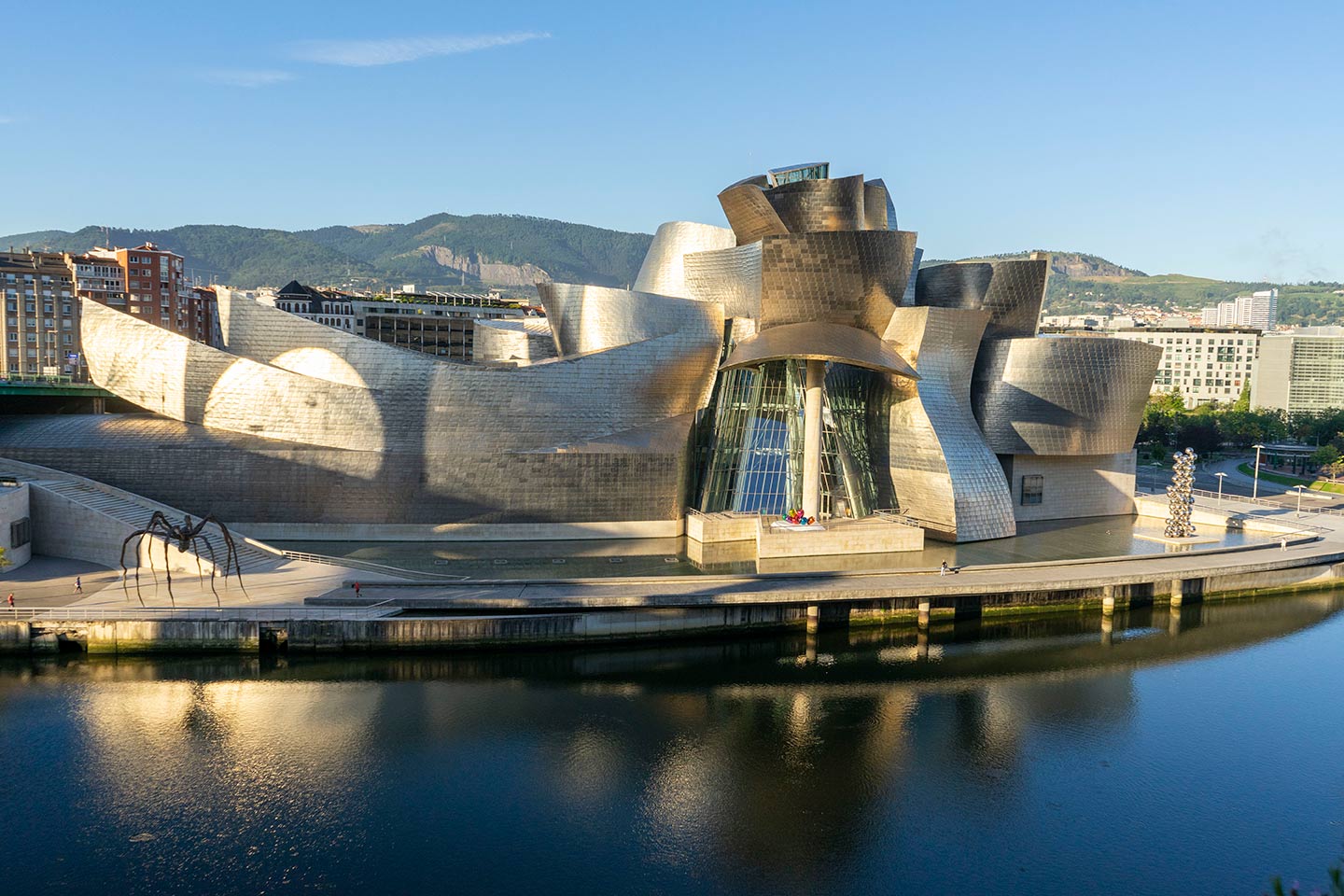
Prominent examples already cited by the WTTC as representative of this "contemporary wonder" philosophy include the Eiffel Tower in Paris, the Guggenheim Museum in Bilbao, and the Grand Egyptian Museum in Giza. These projects are being highlighted as evidence of how bold ambition, visionary investment, and long-term public-private collaboration can successfully transform the international standing of a city or country, ultimately inspiring a new generation of travelers and investors alike.