FAA Proposes Strict Drone Restrictions Over Critical Infrastructure
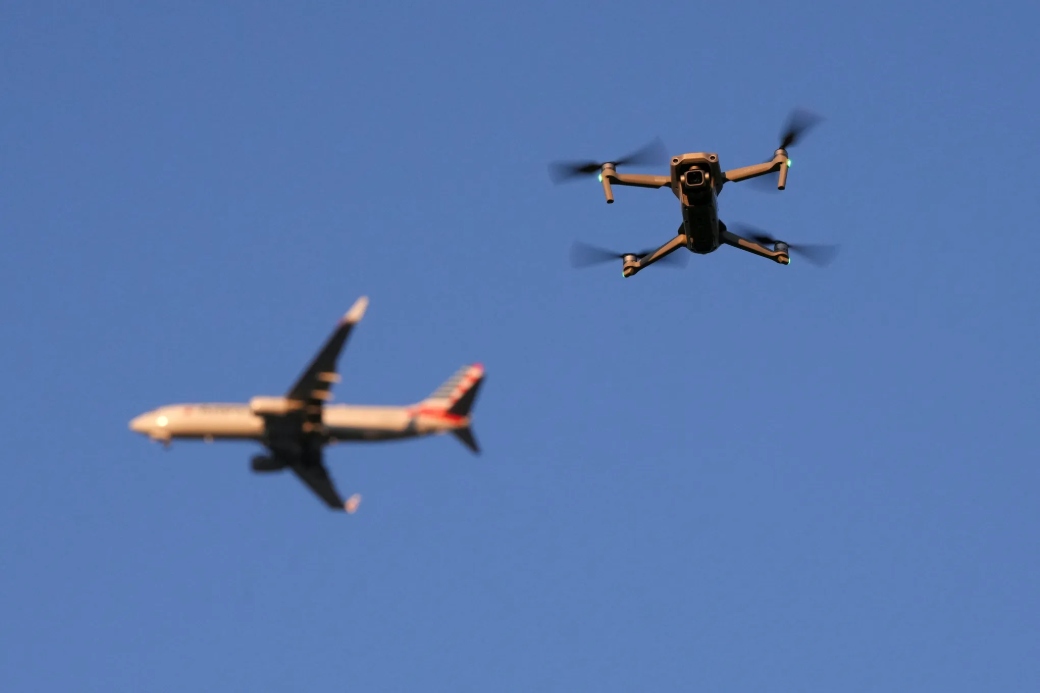
The Federal Aviation Administration (FAA) officially released a proposed rule today that establishes a formal process for restricting unmanned aircraft operations over sensitive sites.
Under the new guidelines, operators of critical infrastructure—including energy plants, dams, and healthcare facilities—can petition the agency to ban drone flights over their properties for safety and security reasons. This regulatory push is a mechanical necessity to address the exponential growth in drone traffic and the potential risks it poses to national security and public safety.
The proposed rule aligns with Executive Order 14305 on Restoring Airspace Sovereignty and introduces a dedicated digital portal for applicants to submit security justifications. To balance public interest with security, the FAA will evaluate each petition based on its necessity for protecting people and property on the ground.
This move is expected to create a complex "no-fly" patchwork across the U.S. national airspace, requiring commercial drone pilots and hobbyists to check real-time UAFR (Unmanned Aircraft Flight Restriction) maps more diligently before every launch.
For the 2026 traveler and drone enthusiast, this policy marks the end of "unrestricted aerial photography" near many iconic industrial or government landmarks. As drone technology becomes more integrated into logistics and photography, these restrictions will likely influence where travelers can capture aerial footage of their journeys.
The FAA's goal is to ensure that economic growth in the drone sector does not come at the cost of homeland security, setting a new global precedent for managing low-altitude airspace.