Operation Holy Week: 7,000 Troops Flood Cancun to Shield Spring Break Surge
Mexican authorities have launched a sweeping security mobilization across Quintana Roo. Dubbed a "proactive shield," the operation has deployed over 7,000 personnel from the military, federal agencies, and local police forces to blanket the Mexican Caribbean ahead of an expected influx of 1.2 million visitors for the Holy Week and Spring Break holidays.
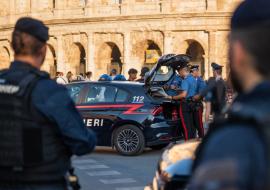
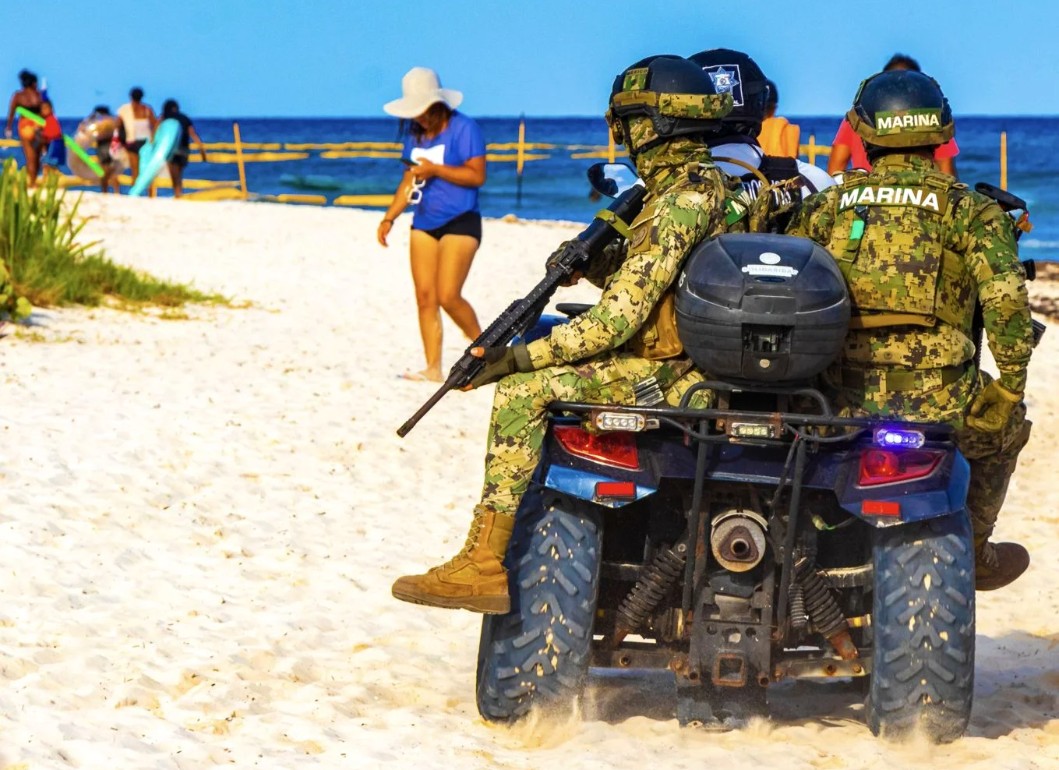
The coordinated effort, led by Governor Mara Lezama, aims to provide a "seamless security net" across all 11 municipalities, with a heavy concentration in the Cancun Hotel Zone, Playa del Carmen, and Tulum. While the sight of soldiers in tactical gear patrolling white-sand beaches may be jarring for some international guests, officials emphasize that the deployment is a standard protocol intended to deter crime and ensure a rapid response to any potential incidents.
The investigative look into the deployment reveals a highly specialized division of labor among the various security branches. The National Guard, which has contributed nearly 1,000 troops, is primarily tasked with securing "strategic infrastructure." This includes locking down the Cancun International Airport, monitoring stations for the newly operational Maya Train, and establishing high-visibility roadblocks along Highway 307, the region's main artery.
Simultaneously, the Mexican Navy (SEMAR) has taken command of the "water and the sand." Approximately 472 personnel are conducting maritime patrols to protect ferry routes and are performing tactical foot patrols directly on public beaches. These units are supported by the Tourist Police, a specialized group of over 200 bilingual officers whose sole mission is to assist international travelers and monitor high-traffic nightlife and shopping districts.
Technology and Surveillance Integration
The manpower on the ground is being augmented by a sophisticated surveillance network. Authorities have integrated thousands of high-definition C5 security cameras that feed real-time data into a central command center. This allows for the instant routing of rapid response units to "hot zones," particularly in the crowded nightlife sectors where holiday crowds are most dense.
The massive deployment also serves as a stabilizing measure following a period of heightened tension in late February 2026. At that time, a major federal military operation against organized crime in western Mexico triggered brief, retaliatory blockades in several states, prompting a temporary "shelter-in-place" advisory from the U.S. Embassy.
While the situation in the Mexican Caribbean returned to normal within 24 hours of those events, the NTSB-style scrutiny of current safety protocols suggests the government is eager to prove that Cancun remains a "security fortress." Current traveler confidence scores remain high, with recent data ranking the city as one of the top three safest international destinations for American travelers in 2026, provided they remain within the established tourist corridors.
For tourists, the "security surge" means navigating a landscape of increased checkpoints and visible armed presence. Experts suggest that while these measures can cause minor bottlenecks at the airport or on regional highways, they provide a significant deterrent against the petty theft and scams that often plague high-occupancy periods.