Labor Unrest Grinds Lufthansa Operations to a Halt across Germany
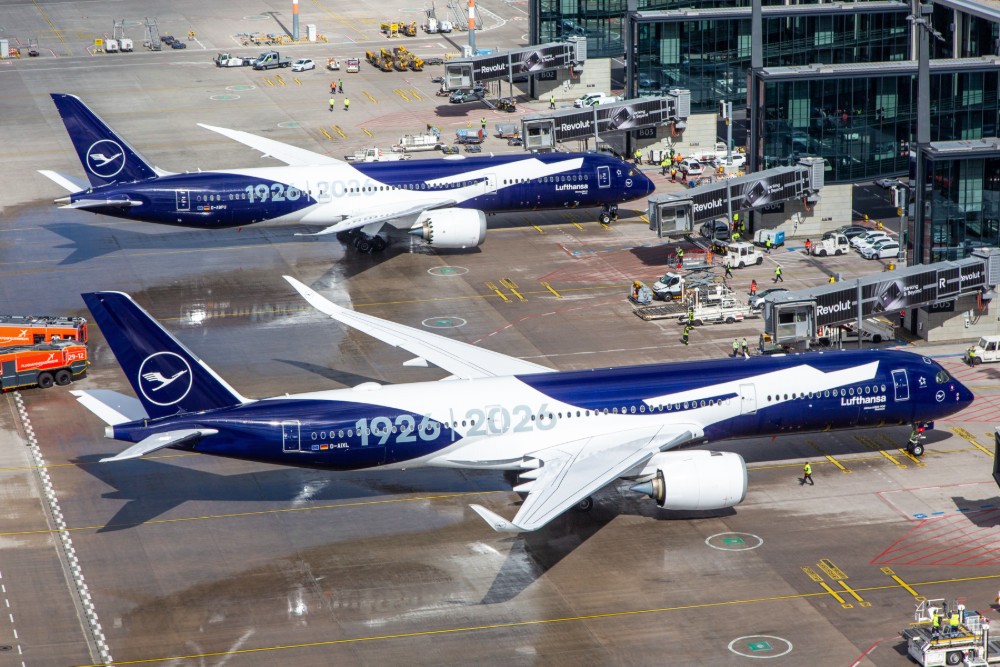
Germany’s aviation landscape is descending into operational chaos this week as a series of back-to-back strikes by multiple labor unions have grounded the majority of Lufthansa's flight schedule.
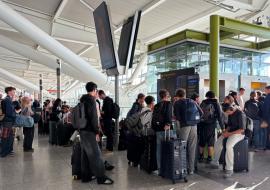
Following a 48-hour walkout by pilots that concluded Tuesday, the Independent Flight Attendants' Organization (UFO) launched a secondary strike action today, April 15. The industrial action is expected to result in the cancellation of 80% to 90% of all planned departures through Thursday, leaving hundreds of thousands of passengers stranded at major hubs like Frankfurt and Munich.
The current wave of labor disputes highlights a growing rift between airline management and the workforce regarding inflation-adjusted wages and working conditions. The Vereinigung Cockpit (VC) union, representing pilots, is pushing for a company pension overhaul, while the UFO union is fiercely resisting a proposed radical overhaul of rest periods and sick pay regulations. These tensions are further exacerbated by a recent ground staff strike organized by Verdi, which effectively shuttered security and baggage handling at 11 major German airports earlier this month.
Lufthansa executives have criticized the union tactics as disproportionate, noting that the unprecedented frequency of strikes is causing significant reputational damage and financial losses estimated in the hundreds of millions of euros. Despite the carrier's efforts to maintain a special flight schedule, industry analysts suggest the compounded disruption from three separate unions—VC, UFO, and Verdi—has created the most significant logistical hurdle for the flag carrier in over a decade. The airline is currently prioritizing long-haul international routes, particularly those serving Middle Eastern destinations, though even these remain subject to last-minute delays.
To mitigate the travel crisis, Lufthansa has implemented a comprehensive goodwill policy, allowing passengers with affected tickets to rebook on other Lufthansa Group carriers, such as Swiss International Air Lines or Austrian Airlines, which remain unaffected by the German strikes.
For domestic travelers, the airline has partnered with Deutsche Bahn to offer complimentary train vouchers, turning flight tickets into rail passes to keep regional connectivity alive. However, railway capacity is reportedly reaching its limit as thousands of displaced flyers migrate to the German rail network.
The timing of the labor unrest is particularly sensitive as it overlaps with the spring travel season, a period of high consumer demand. Travel industry observers warn that the unresolved negotiations could lead to further escalations heading into the summer. Union leaders have signaled that without a negotiable offer from management regarding pension security and base salary increases, additional strike ballots are highly likely.
As the negotiation deadlock continues, the German government has faced increasing calls to intervene as a mediator to prevent a total standstill of the nation’s transportation infrastructure. For now, travelers are advised to monitor their flight status via digital service channels and avoid traveling to the airport without a confirmed boarding pass, as on-site customer service centers are currently overwhelmed by the sheer volume of stranded passengers.