Federal Lifeline: Trump Administration Proposes Bold Spirit Airlines Bailout Plan
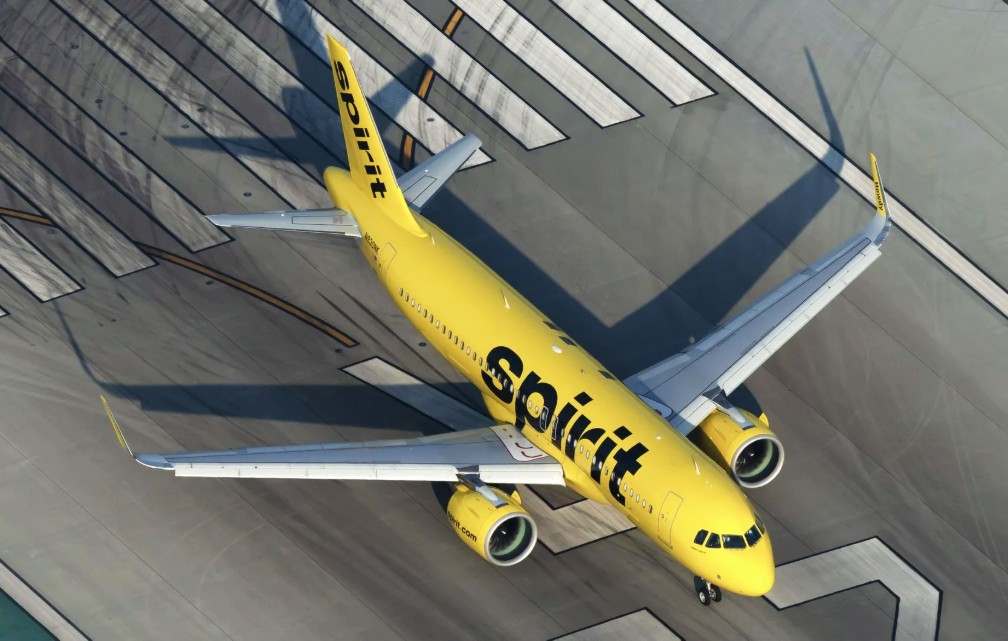
The Trump administration has confirmed it is weighing a taxpayer-funded takeover of Spirit Airlines, signaling a dramatic shift in aviation policy to prevent the carrier’s liquidation.
Speaking from the Oval Office on April 23, the President expressed a desire to save the roughly 15,000 jobs tied to the Florida-based budget carrier. The proposed plan involves a potential $500 million senior loan that could grant the federal government an ownership stake as high as 90%, effectively nationalizing the airline temporarily to ensure its survival through a turbulent economic climate.
The move comes as Spirit Airlines struggles to navigate its second Chapter 11 bankruptcy in less than two years. While the airline had initially reached an agreement with creditors to exit bankruptcy by early summer, the sudden spike in jet fuel prices—which soared toward $5 a gallon following regional conflicts in the Middle East—pushed the company back toward the brink of liquidation. Administration officials, led by Commerce Secretary Howard Lutnick, are reportedly negotiating the deal to provide immediate liquidity while the company "rightsizes" its fleet to roughly 80 aircraft.
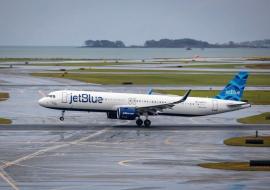
The White House has publicly attributed Spirit’s dire financial state to the Biden administration, specifically citing the 2023 legal challenge that blocked a proposed merger with JetBlue Airways. Spokesperson Kush Desai stated that the carrier would be on "firmer financial footing" had that deal not been "recklessly blocked." By intervening now, the current administration aims to preserve a low-cost leader that has historically driven down airfares across the industry, though the plan has already sparked intense debate among lawmakers on Capitol Hill.
Critics of the bailout have voiced concerns about the precedent of the U.S. government owning a private airline. Republican senators like Ted Cruz and Tom Cotton have labeled the move a "terrible idea," questioning why taxpayers should fund a company that private investors have deemed a high risk. Even Transportation Secretary Sean Duffy expressed initial skepticism, wondering if a Spirit Airlines rescue would lead other struggling carriers to seek similar government lifelines. Despite these objections, the President remains optimistic, suggesting the government could eventually sell the airline for a profit once energy costs stabilize.
Labor groups, including the Association of Flight Attendants-CWA, have come out in strong support of the federal intervention. They argue that Spirit is a vital resource for American families who rely on essential travel and that the loss of the airline would lead to a significant reduction in market competition. The Spirit Airlines ALPA Master Executive Council emphasized that the carrier's presence in a market typically forces legacy airlines to lower their prices, making the rescue package a matter of broader consumer interest.
As negotiations continue, Spirit Airlines maintains that it is operating as usual, with passengers still able to book and use loyalty points. The potential rescue deal represents one of the most significant government interventions in a single private company since the 2008 financial crisis. Whether the administration can successfully transform the bankrupt carrier into a profitable asset remains the ultimate geopolitical and financial gamble, as the Department of Transportation continues to monitor the health of the entire aviation sector.