Global Carriers Impose "Emergency Fuel Surcharges" Amid Conflict
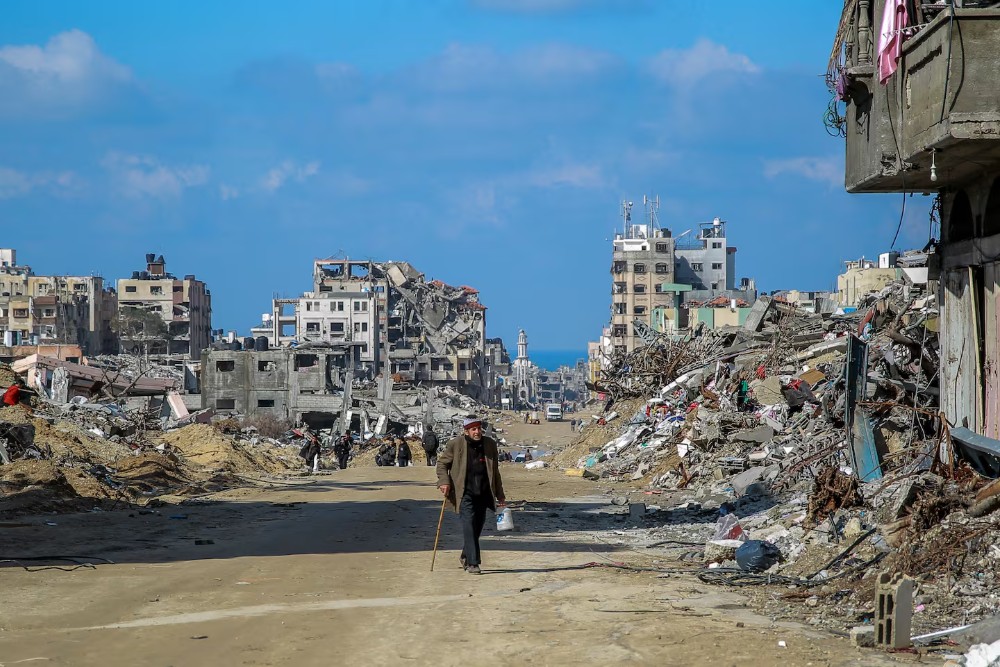
As of today, Cathay Pacific has officially implemented a 34% increase in its "fuel surcharge," a move mirrored by several other major carriers in response to "soaring oil prices."
The U.S.-Israeli conflict with Iran has disrupted "critical energy supply chains," forcing the aviation industry into a state of "financial defense." American Airlines has already updated its first-quarter guidance, expecting a $400 million spike in "operational expenses" due to the rising cost of jet fuel. This "economic shock" is being passed directly to the consumer, with international airfares projected to rise by up to 15% across the board this month.
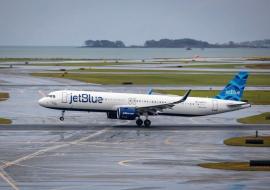
Other airlines, including Korean Air and JetBlue, have triggered "emergency management measures," which include "service fee adjustments" and "capacity optimization" to protect their "liquidity and margins." In the Middle East, retaliatory strikes have led to "intermittent closures" of major hubs, leaving thousands of travelers "stranded" and forcing Western governments to organize "emergency evacuation charters."
The "shadow of war" is now the primary driver of "global travel pricing," with analysts warning that "elevated fuel costs" could persist well into 2027.
Carriers are moving toward "bi-weekly rate reviews" to adjust their fuel surcharges in real-time, making "advance booking" more critical than ever. The "volatility of the market" is also pushing travelers toward "secondary airports" and "low-cost carriers" that offer more "price-shielded options."