UK Hospitality Sector Warns of "Suffocating Costs" as New Taxes Take Effect
The UK Hospitality association issued a "stark warning" today as a new wave of "business rates" and "minimum wage increases" officially came into force.
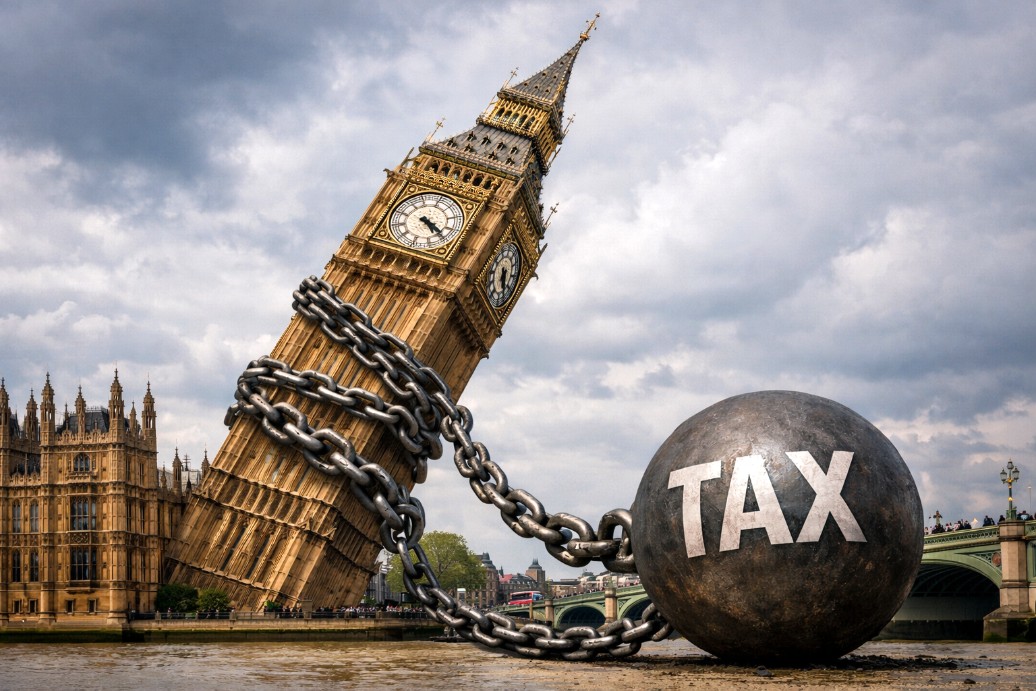
A survey of over 20,000 businesses found that two-thirds of hospitality firms are now "planning to cut jobs" or "reduce trading hours" to survive what they describe as a "suffocating tax burden." The combination of "rising labor costs" and "energy price volatility," exacerbated by the "ongoing Middle East conflict," has pushed industry confidence to an "all-time low."
According to the data, the average hotel in England and Wales will see its business rates increase by 30% this year, an "unprecedented jump" that many operators say is "unsustainable." Industry leaders are calling for "emergency government intervention," including a "permanent reduction in VAT" for the tourism sector, to prevent a "wave of business closures" across the country. This "economic pressure" is particularly acute for "independent pubs and restaurants," which lack the "financial buffers" of larger "global chains."
For the 2026 traveler in the UK, this "fiscal strain" is likely to manifest as "higher prices" for "dining and accommodation." Some "mid-scale hotels" have already begun "reducing service levels," such as "limiting housekeeping" or "shortening restaurant hours," to "control operational expenses." This "service erosion" is a "major concern" for the British Tourist Authority, which is working to maintain the UK’s "global reputation" as a "value-for-money destination."
The "National Living Wage" increase, while "beneficial for workers," has added an estimated £1.4 billion in "additional costs" to the sector overnight. Many businesses are now "accelerating their investment in automation," such as "self-service kiosks" and "AI-driven booking systems," to "mitigate the impact of rising wages." This "technological shift" is "transforming the face of British hospitality," as the industry "struggles to balance" its "human-centric heritage" with "economic reality."