Safe Passage: Cruise Ships Break Deadlock in the Strait of Hormuz
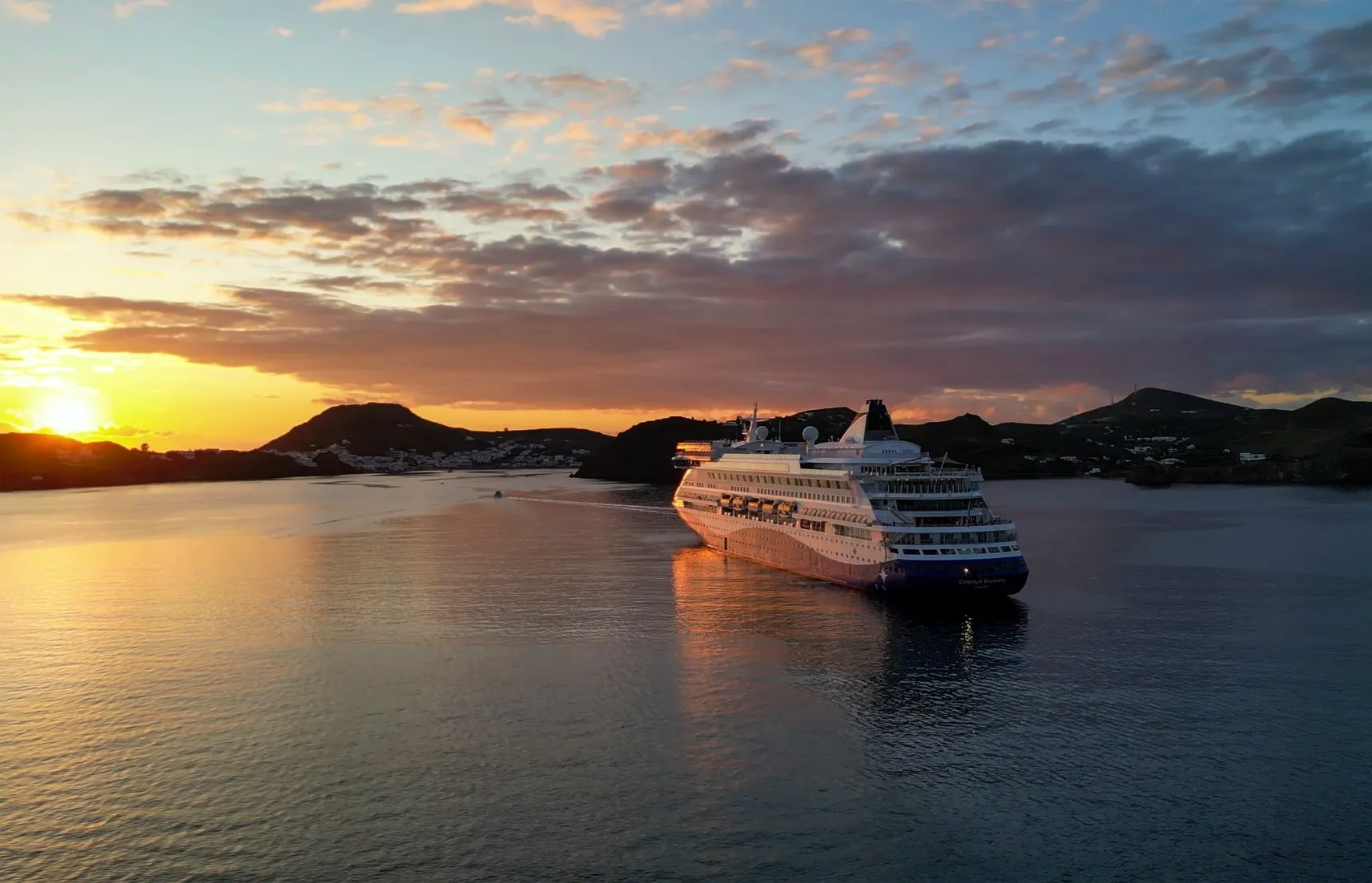
A fleet of major cruise liners has successfully navigated the Strait of Hormuz, marking a pivotal moment for maritime security in the Middle East.
After being stranded for weeks in the Arabian Gulf due to the escalation of the Iran war, several vessels managed to exit the volatile waterway during a brief geopolitical window. The Celestyal Discovery led the way as the first passenger vessel to transit the strait since the conflict began on February 28, following an intense period of diplomatic coordination and security planning.
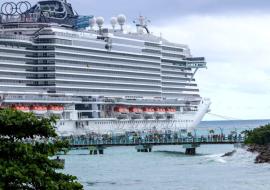
The operation was a complex maneuver involving international maritime authorities and regional governments. For nearly fifty days, vessels like the MSC Euribia, Mein Schiff 4, and Mein Schiff 5 remained docked in ports such as Dubai and Abu Dhabi as the Strait of Hormuz—a critical global shipping corridor—was effectively closed to most commercial traffic. The Islamic Revolutionary Guard Corps (IRGC) had previously maintained complete control over the passage, citing safety risks and military operations as reasons for the blockade.
According to maritime intelligence reports, the transit was made possible by a temporary ceasefire and a coordinated effort to establish a safe route for non-combatant vessels. While the ships were reportedly sailing without passengers, the successful passage is seen as a major milestone for freedom of navigation. Industry experts noted that the captains and crews operated under strict safety protocols, maintaining constant communication with naval escorts and monitoring mine clearance operations led by U.S. Central Command.
The cruise lines involved, including MSC Cruises, TUI Cruises, and Celestyal Cruises, have expressed immense relief following the exit. For weeks, these companies were forced into a series of itinerary cancellations and vessel redeployments, leaving the future of the Middle East cruise season in doubt. The stranded ships are now repositioning to the Mediterranean, where they are expected to resume their summer programs. This move is seen as a vital step in restoring investor confidence and ensuring the logistical stability of the global travel industry.
Despite this breakthrough, the situation in the region remains characterized by heightened tensions. While five of the six stranded ships have cleared the strait, at least one vessel, the Aroya Manara, reportedly remains within the Gulf. Security analysts warn that the window for safe passage remains narrow, as maritime restrictions could be reinstated at any moment. The Strait of Hormuz continues to be a flashpoint where international law and regional conflict intersect, making every transit a high-stakes endeavor.
The successful exit of these ships provides a glimmer of hope for the maritime industry, which has faced unprecedented disruptions. For the global economy, the reopening of such a strategic choke point, even temporarily, serves as a reminder of the fragility of supply chains and the importance of multilateral diplomacy. As these cruise liners head toward safer waters, the focus now shifts to whether this operational success can be sustained or if the maritime corridor will once again fall silent under the shadow of war.